
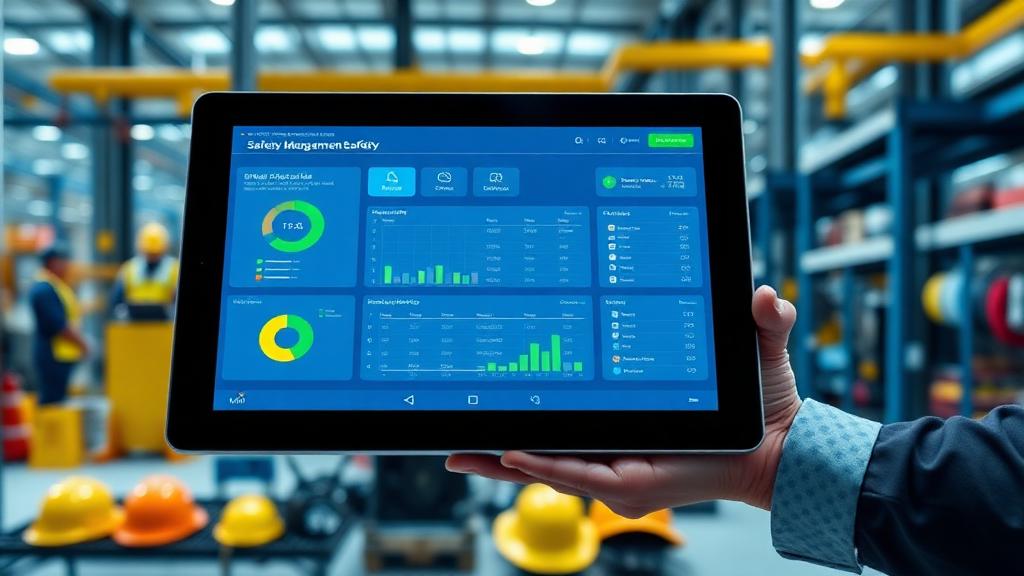
This safety case study follows a manufacturer whose frontline teams take part in lean activities every day: hazards and observations are raised from the floor, reviewed in daily tier meetings, given owners and closed visibly, and the patterns are used to focus improvement. The result is a safety culture that is sustained by routine rather than by campaigns.
At a glance
- Who: Davey Water Products, a Melbourne-headquartered pump manufacturer.
- What they did: integrated a Safety Champions program into daily management using TeamAssurance on the shop floor.
- Result reported: the lowest injury rate in the company's 80-year history and the lowest workcover premiums.
- Related: what is a safety observation? and hazard reporting software.
The frontline teams at pump manufacturer Davey are engaged and participating in lean activities on a daily basis. This has driven them to the lowest injury rate in their 80-year history and workcover premiums are the lowest they've ever been.
Who is the client?
Davey Water Products is a Melbourne-headquartered manufacturer of high-quality pumps for customers throughout the world.
What was the challenge?
Davey trialled a 'Safety Champions' program, which gave staff authority and responsibility for safety over a full day. On a daily rotating roster, staff were tasked to:
- Complete a safety observation and have a conversation about safety
- Find a safety concern and raise an action to have it rectified
- Reward a staff member for good safety practices
- De-brief with leaders the next working day
The trial was successful with 110 opportunities for improvement identified and implemented. Davey decided to embed the safety champion concept into each team, however it was taking up to 2 hours of administration each week with one safety champion, let alone one per team.
What was the solution?
The Safety Champions program was integrated into daily management by utilising TeamAssurance on the shop floor and at Daily Operations meetings:
- Instead of capturing information on paper, the frontline used tablets on the shop floor to capture information directly
- Photos were added to clearly illustrate the safety concerns
- Actions were linked to the Safety incidents, so that the frontline could track progress and completion
- Maintenance were able to immediately identify urgent safety concerns and prioritise
- Good safety practices were logged and shared via touchscreens with all teams
- Safety objectives were made visible to the entire organisation
What were the results?
- Improved culture of sharing and discussing safety concerns
- Increased awareness – staff are more vigilant and more willing to discuss safety concerns
- Every staff member has visibility of all safety concerns
- Team leaders have reduced administration tasks
- A continuous improvement approach to safety across the site has been achieved
- Closeout of actions happens at a much faster rate
Frequently asked questions about building a daily safety routine
What makes frontline safety engagement last?
A daily place to raise hazards and observations, a visible response with an owner, recognition for reporting, and a no-blame approach to near misses, all built into the tier meeting rhythm so it does not depend on a campaign.
What safety items belong in a daily tier meeting?
Incidents and near misses since the last meeting, open hazards and overdue safety actions, today's safety focus, and the observations and audits scheduled for the day.
How do you use safety data to focus improvement?
Trend hazards and near misses by area, activity and cause, investigate repeat clusters to root cause, and track leading measures such as hazards closed on time and observations completed rather than waiting for injury rates to move.
What does the scorecard show?
- Lowest injury rate on record
- 20% lower injuries than previous best
- Workcover premiums are the lowest they've ever been: 0.58% of wages, which is 43% better than the industry average
- 180 Safety Activities raised over 10 months, including:
- 37 Safety Incidents recorded
- 33 Safety Actions completed
- 20 Safety Behaviour Observations
- 25 Safety Improvements implemented
- 54 Safety Maintenance Requests completed
- 10 Safety One Point Lessons shared
- 7 Safety Goals deployed