

Leadership
Leader Standard Work Template: What to Include, With an Example
A leader standard work template you can copy: the six sections, routines by level, a filled-in supervisor day and how to audit it.
Explore our tips, best practices, case studies, product updates, and more
Showing 102 of 102 articles
A leader standard work template you can copy: the six sections, routines by level, a filled-in supervisor day and how to audit it.
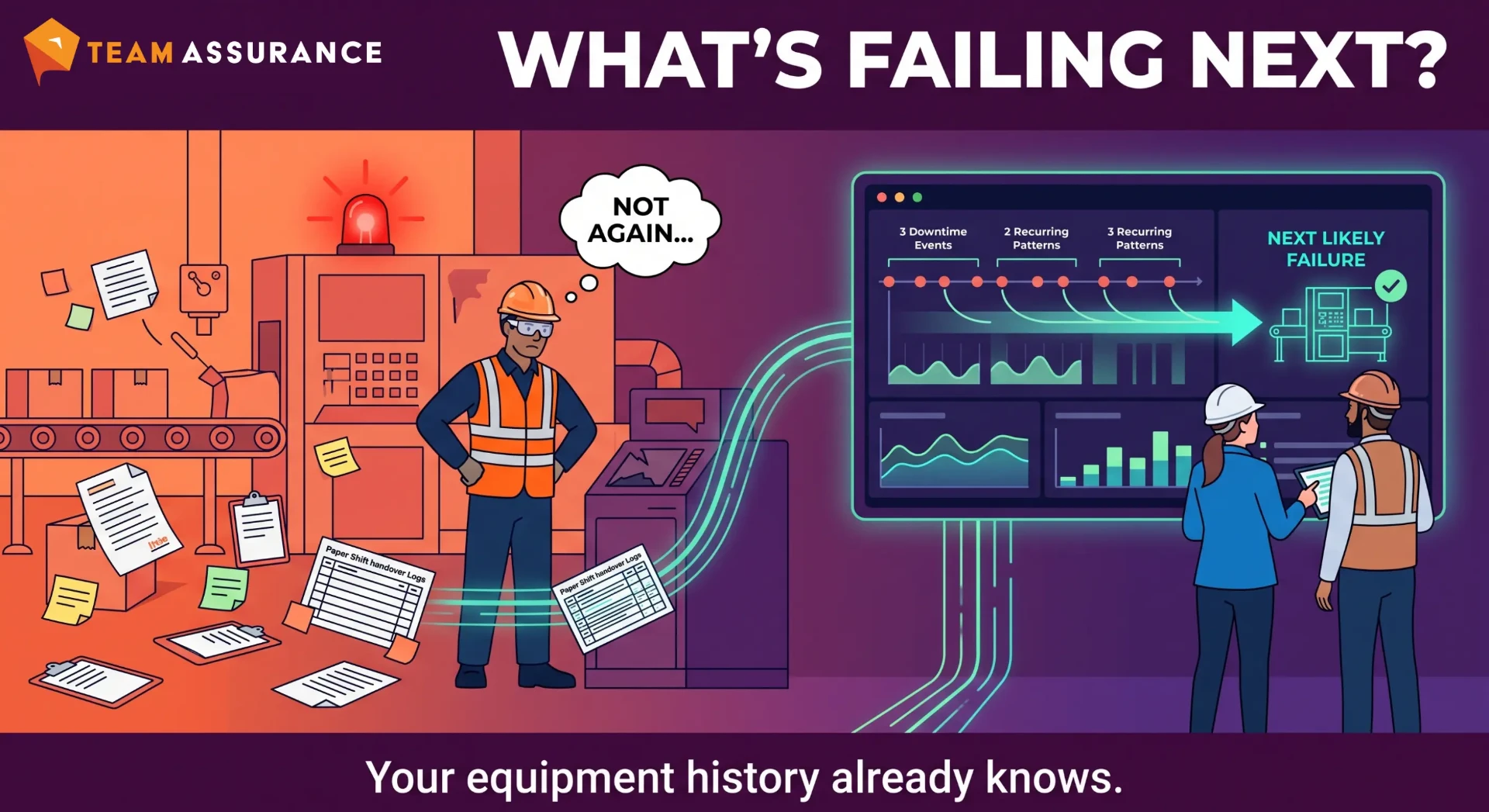
What to record for each equipment failure, field by field, and how those records feed MTBF, MTTR, OEE availability and reliability-centred maintenance.
How to read the maintenance and operator records you already keep to find which stops keep coming back, why they happen and whether fixes worked.
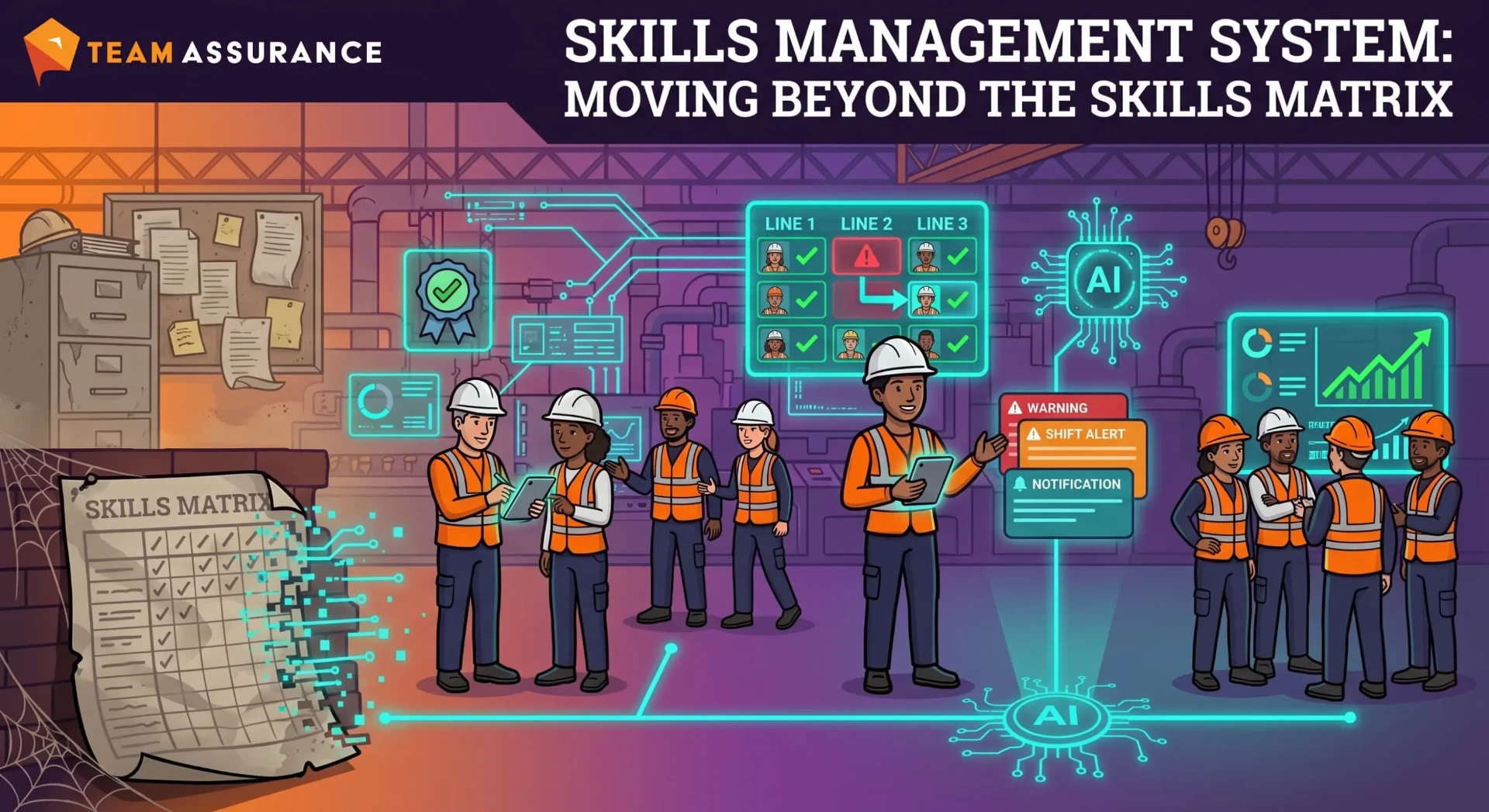
A skills management system tracks who is qualified for each task and at what level, so the right skills are in the right place on every shift.
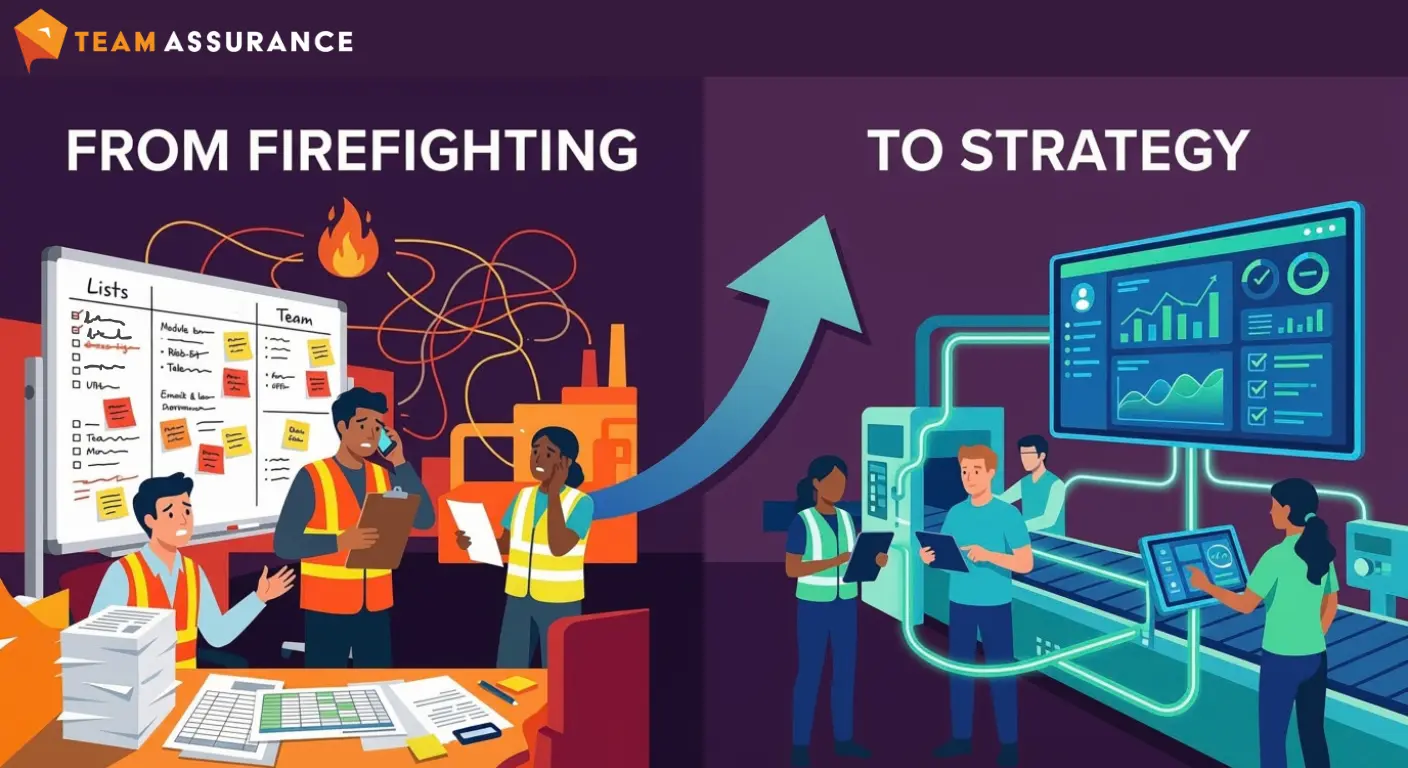
What changes when a factory runs on one connected system: fewer surprises, issues owned the day they appear, and strategy carried out through daily work.
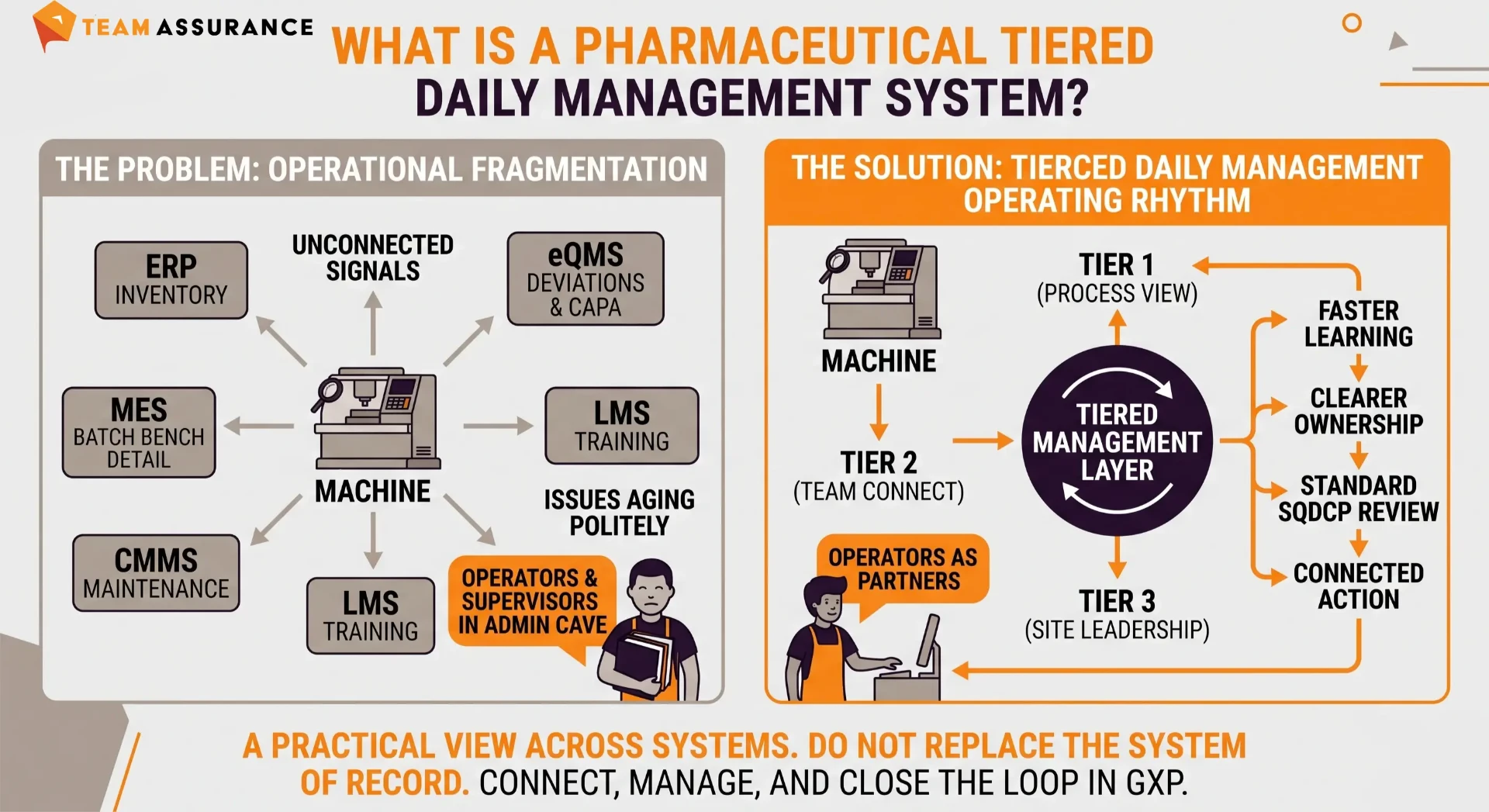
A pharmaceutical Tiered Daily Management system is the way a site turns today's operating reality into visible, managed work.
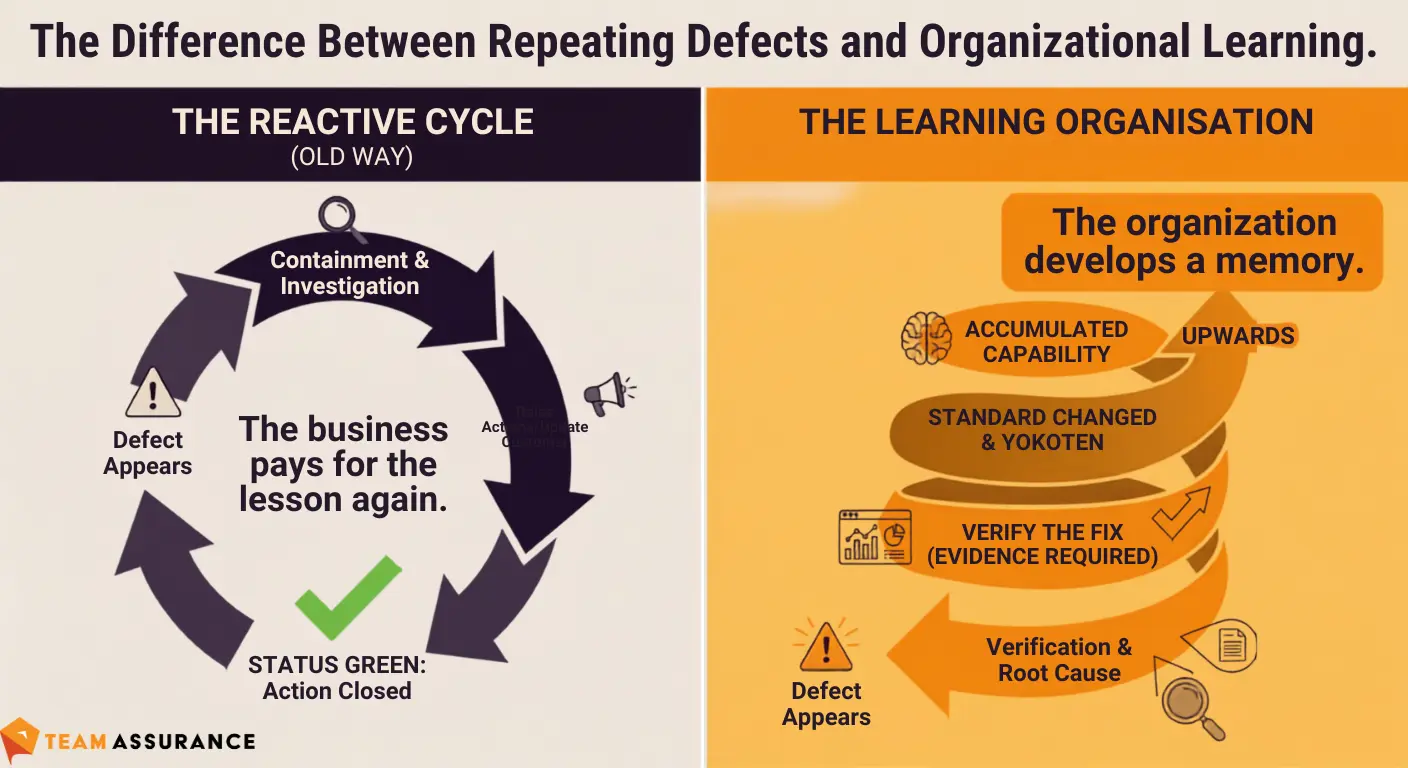
The expensive part of a defect is paying for the same lesson twice. How leading manufacturers verify fixes, share learning and build memory.
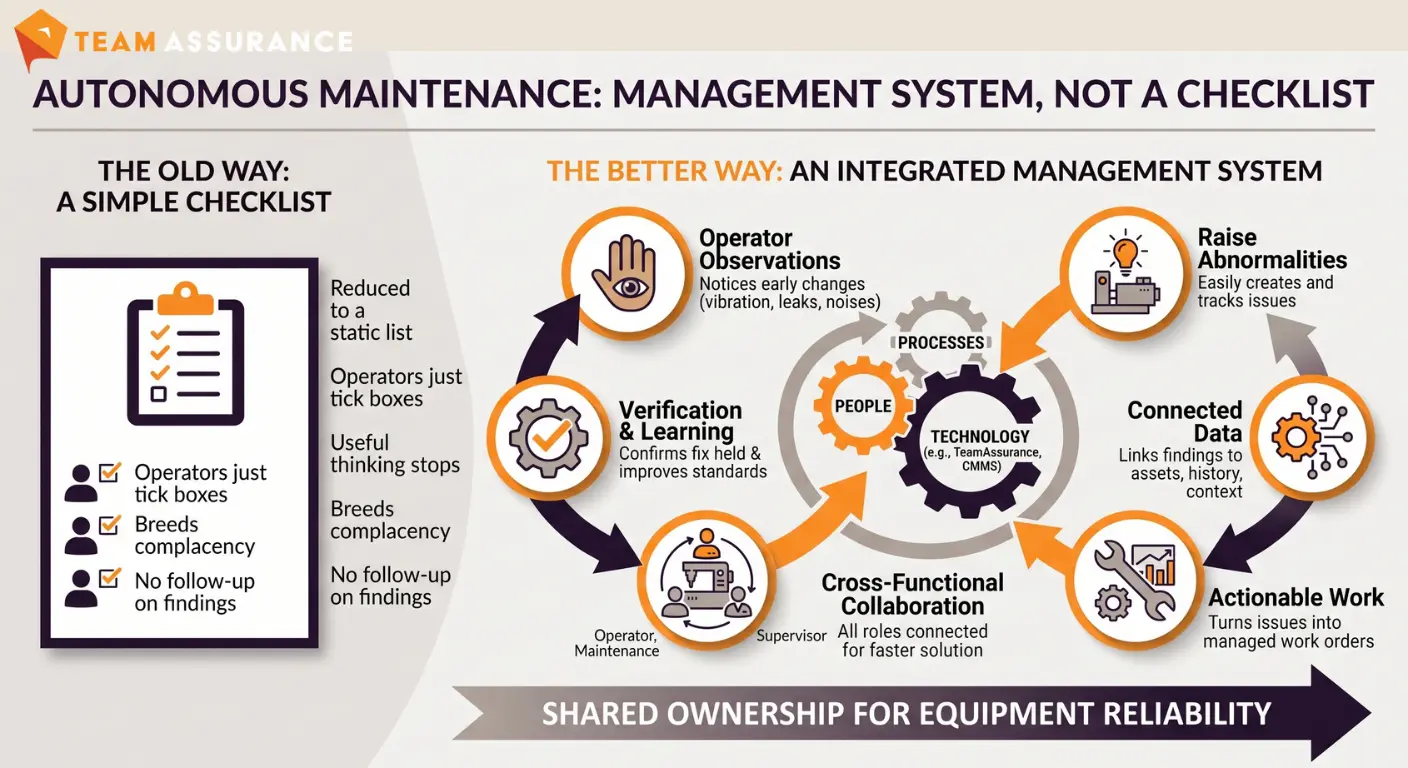
Autonomous maintenance works when operators become part of the equipment care system, with checks, abnormalities and fixes managed every day.
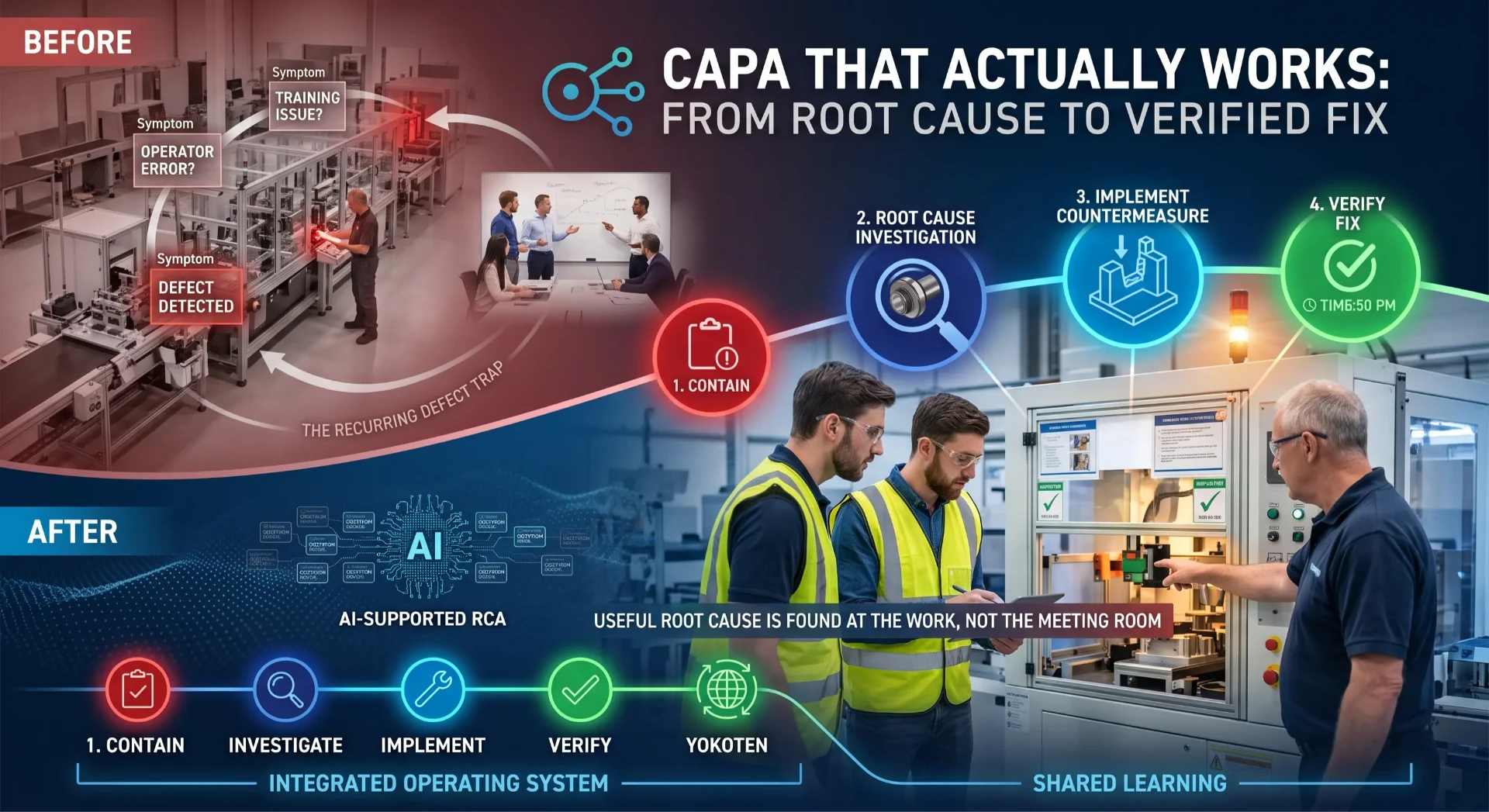
CAPA should turn failures into learning, not a document trail behind a recurring defect. How to run CAPA from root cause to a verified fix.
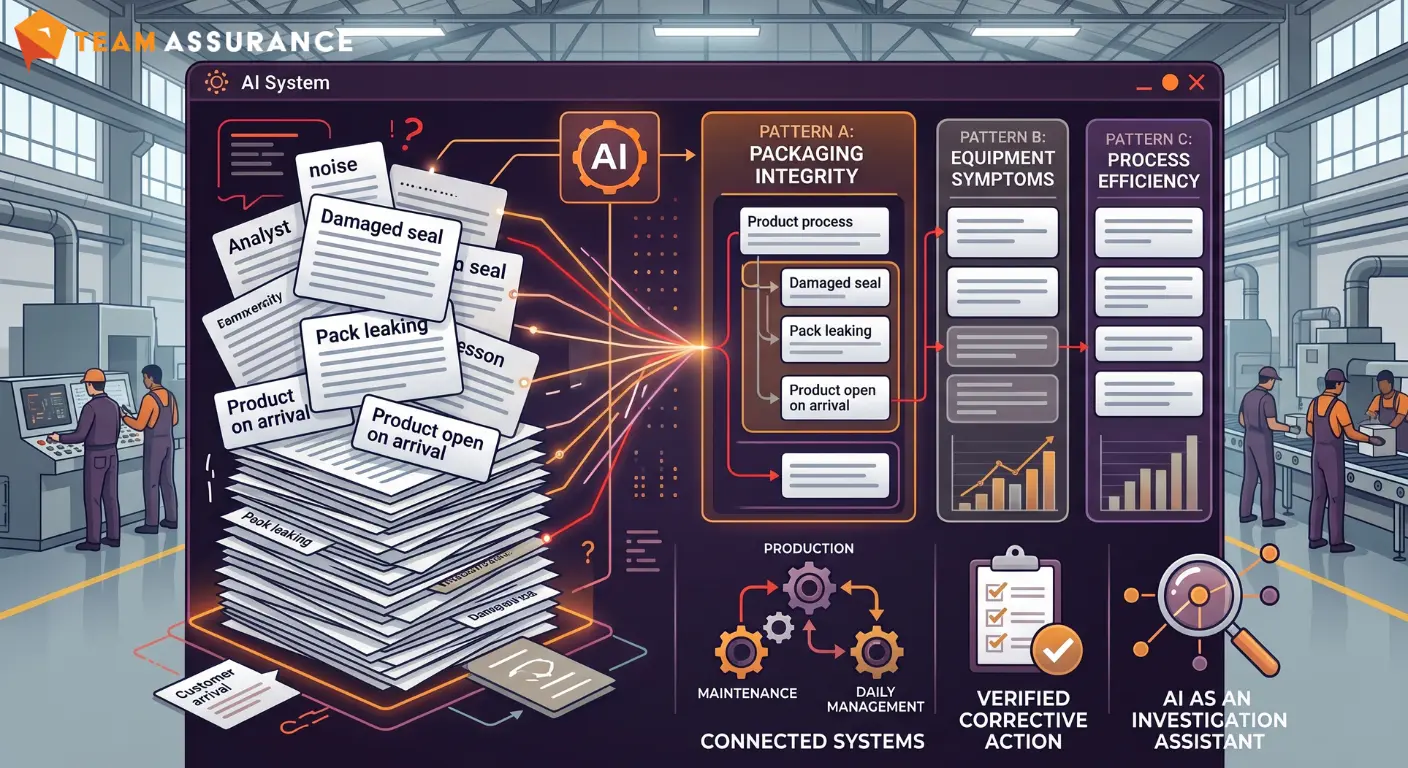
Customer complaints are one of the richest sources of quality data. How to cluster them, find the patterns and turn them into verified improvements.
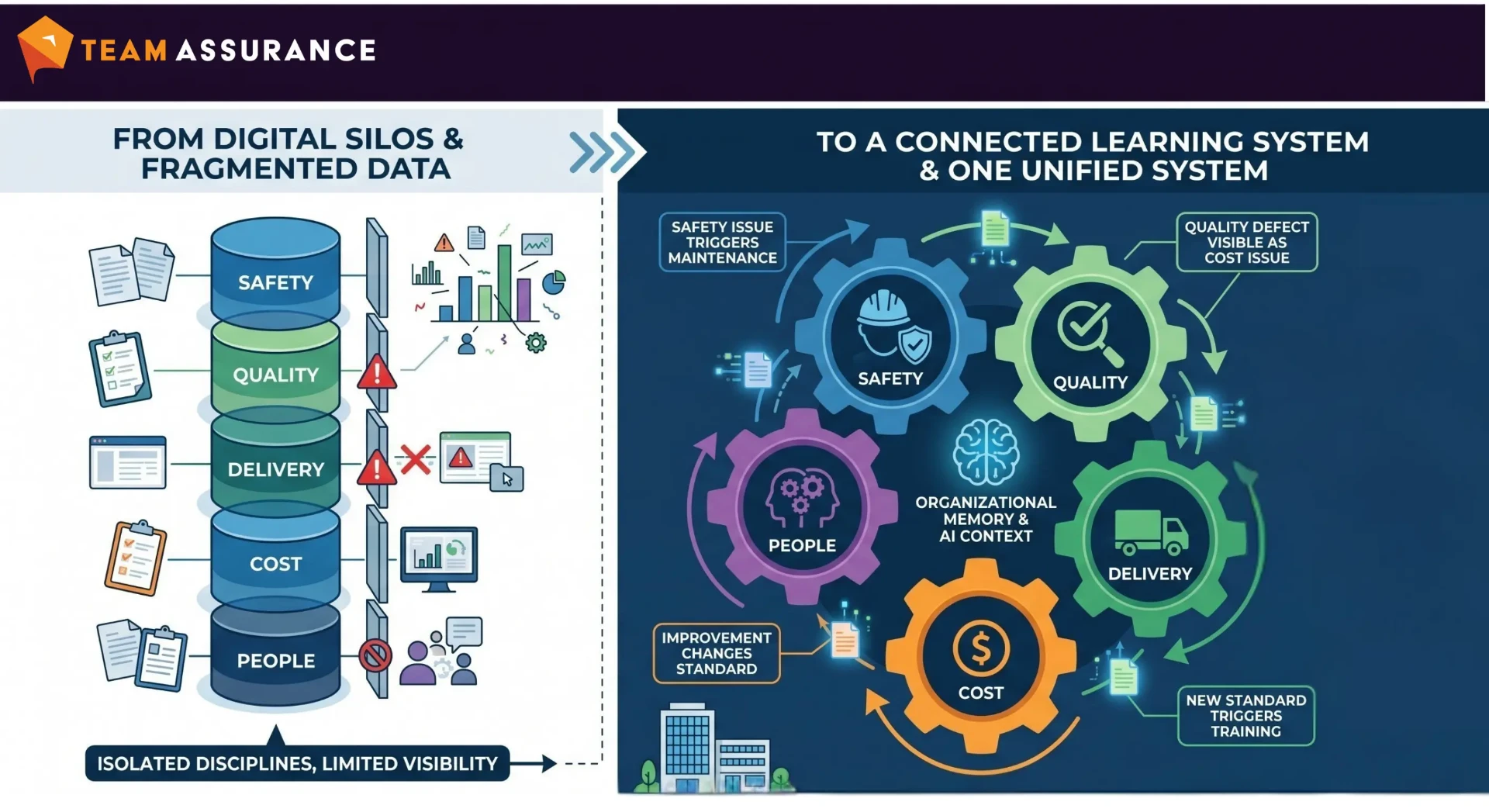
Factories bought software one problem at a time and ended up with excellent silos. How safety, quality, delivery, cost and people become one learning system.
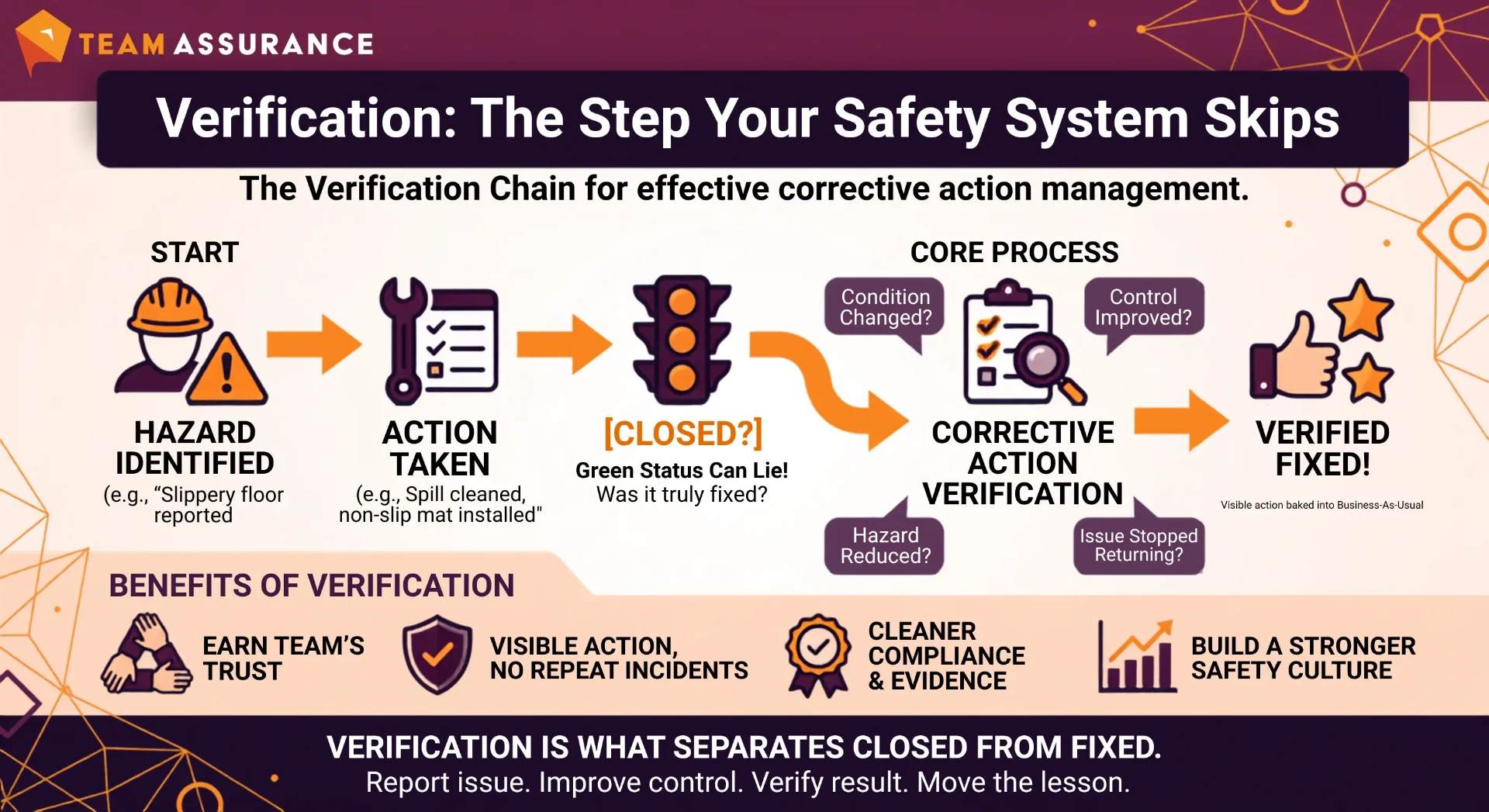
A safety or quality action is not finished when its status says closed. Why verification matters, what it checks and how to build it into the system.
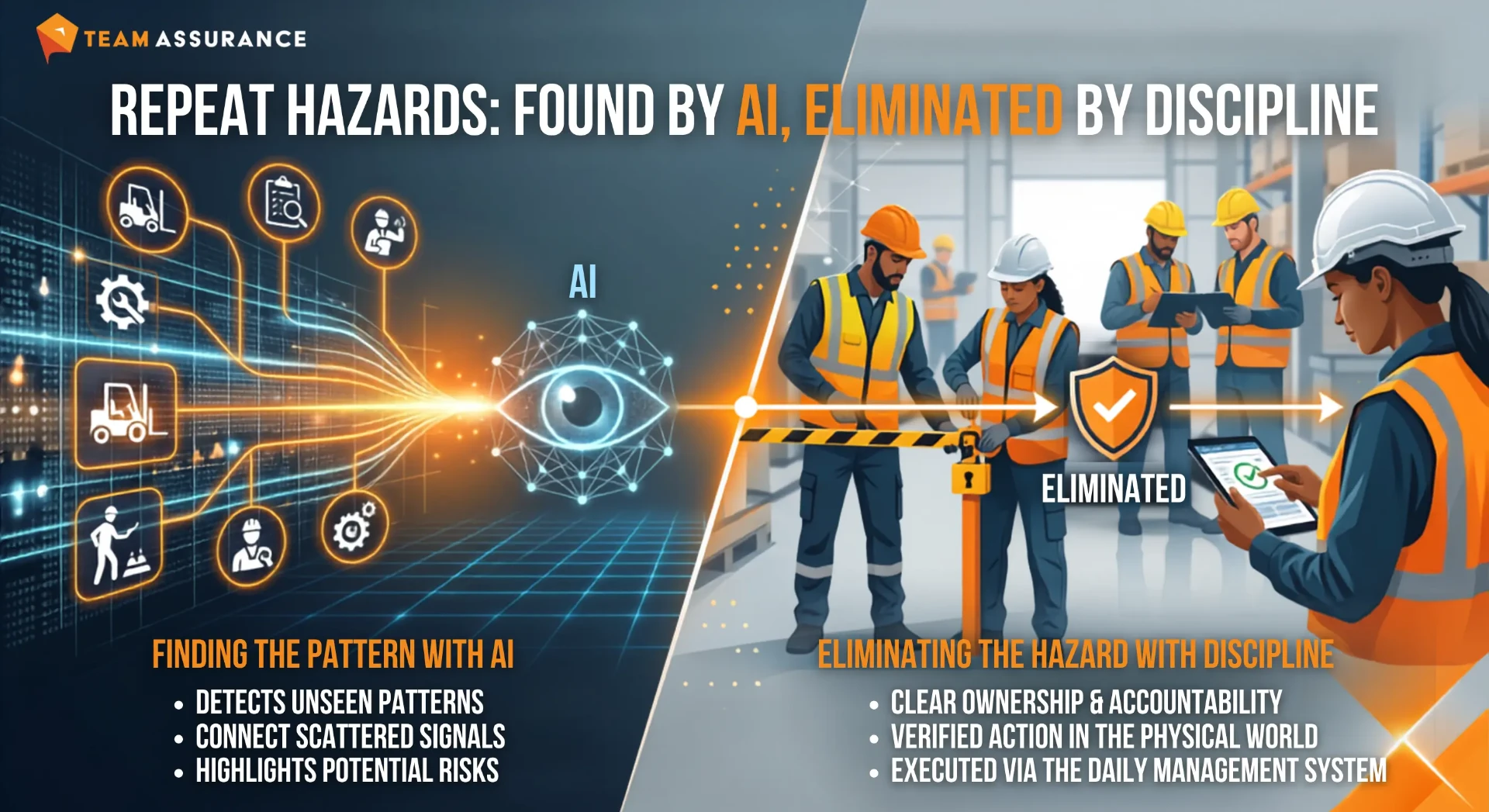
Repeat hazards keep sending the same message. AI can find the pattern across reports; daily discipline is what eliminates the hazard for good.

A near-miss is a gift, provided the business knows what to do with it. The best safety systems don't just record near-misses—they close the loop.
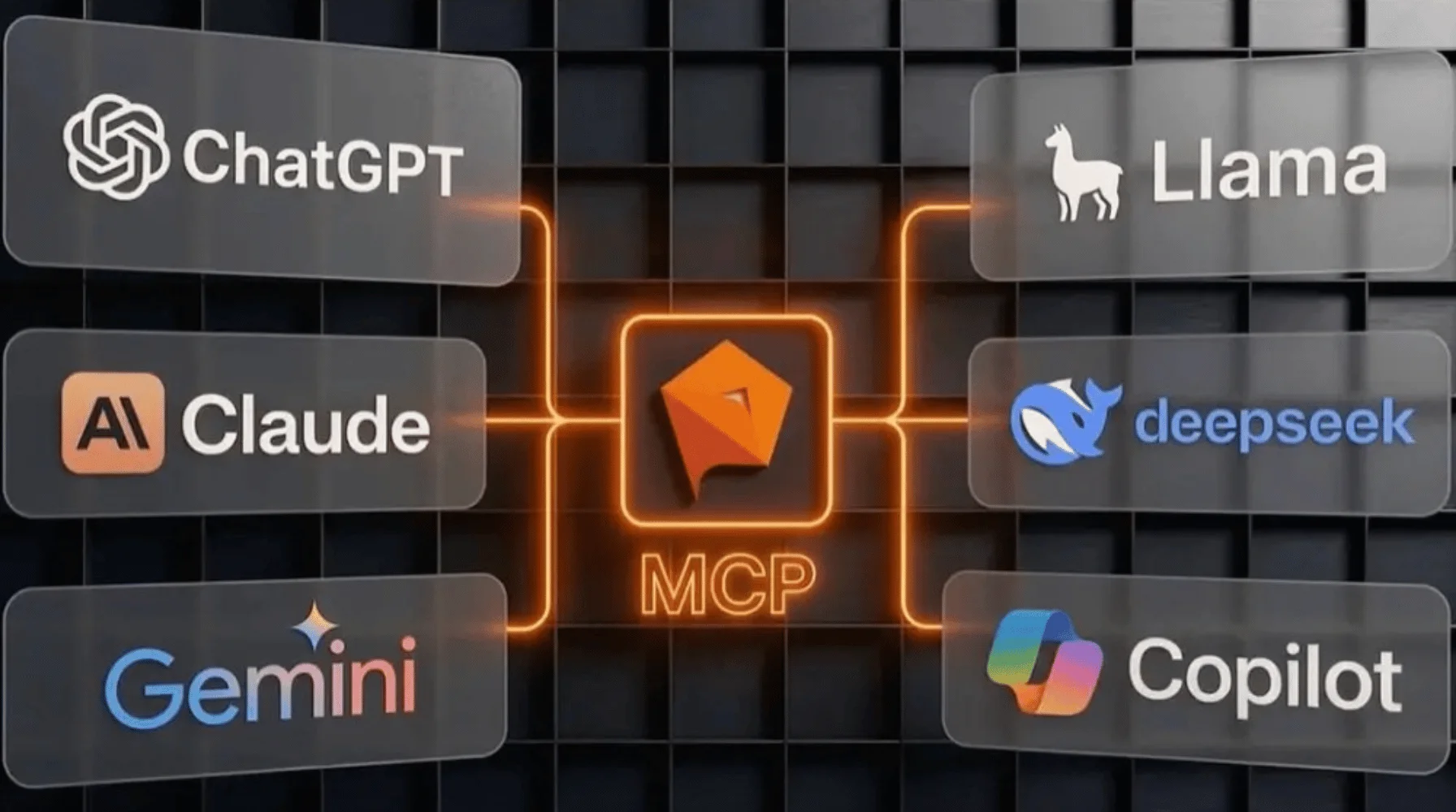
Enterprise AI is not a choice between our AI and yours. TeamAssurance builds intelligence into the product and connects your approved LLM through MCP.
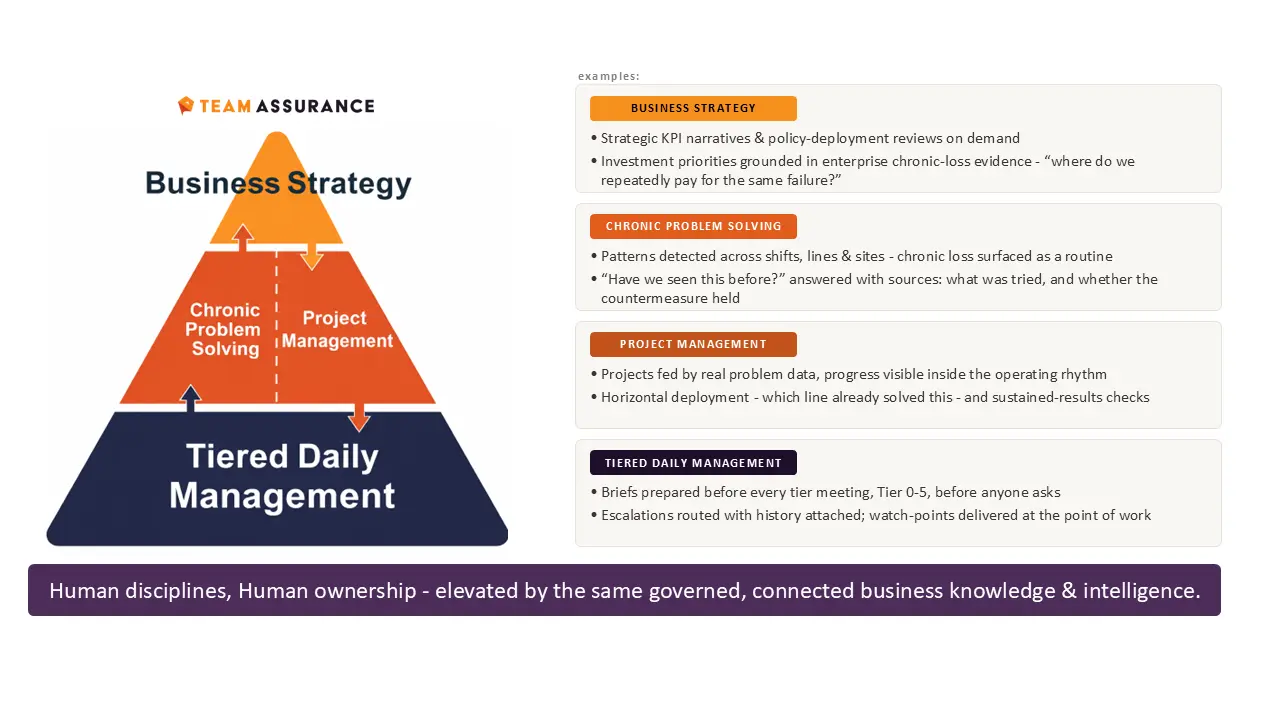
AI is moving into operations whether people are ready or not. The better question is not whether AI will be used, but where it will sit.
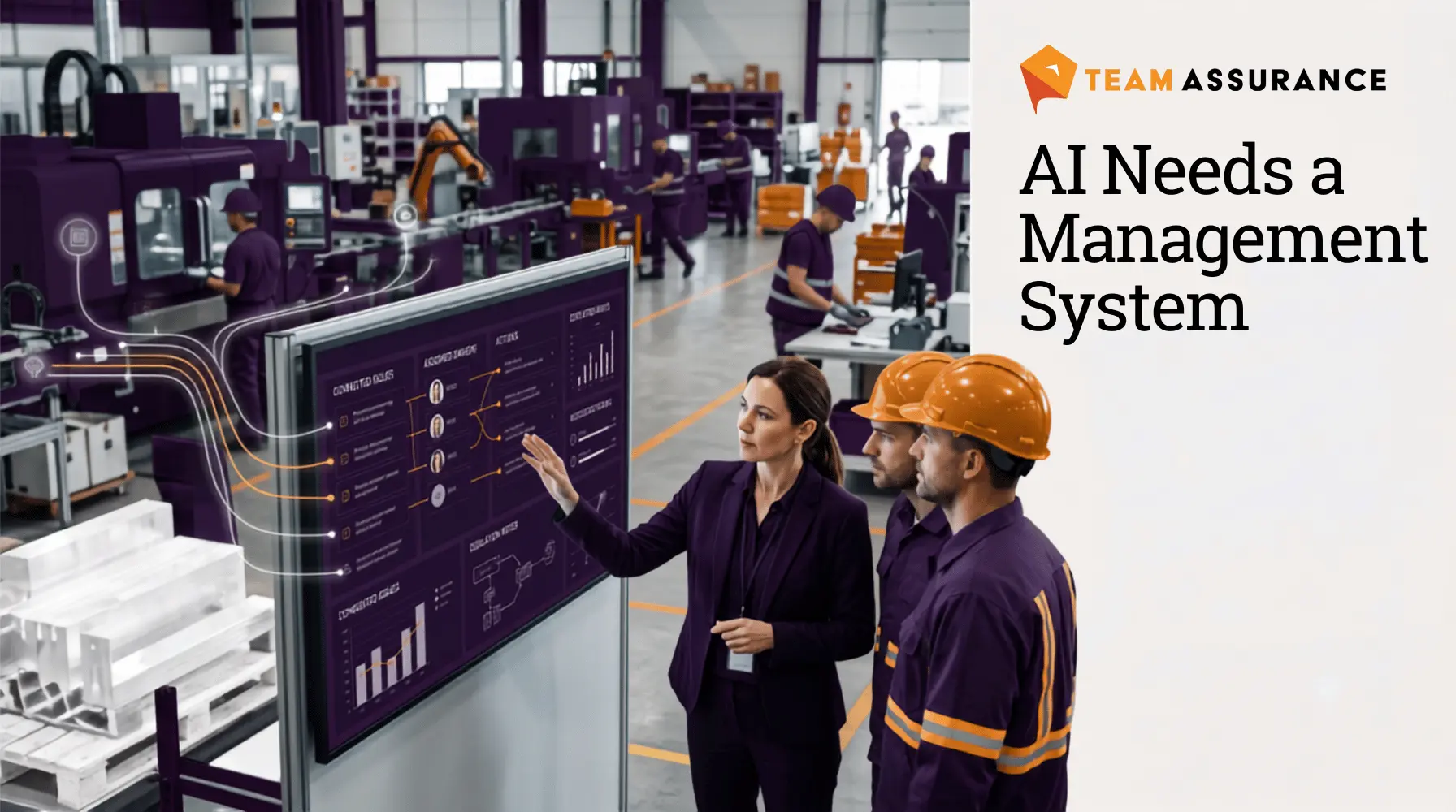
A useful AI answer changes nothing unless the business has a discipline for acting on it. Why AI needs a daily management system to deliver value.
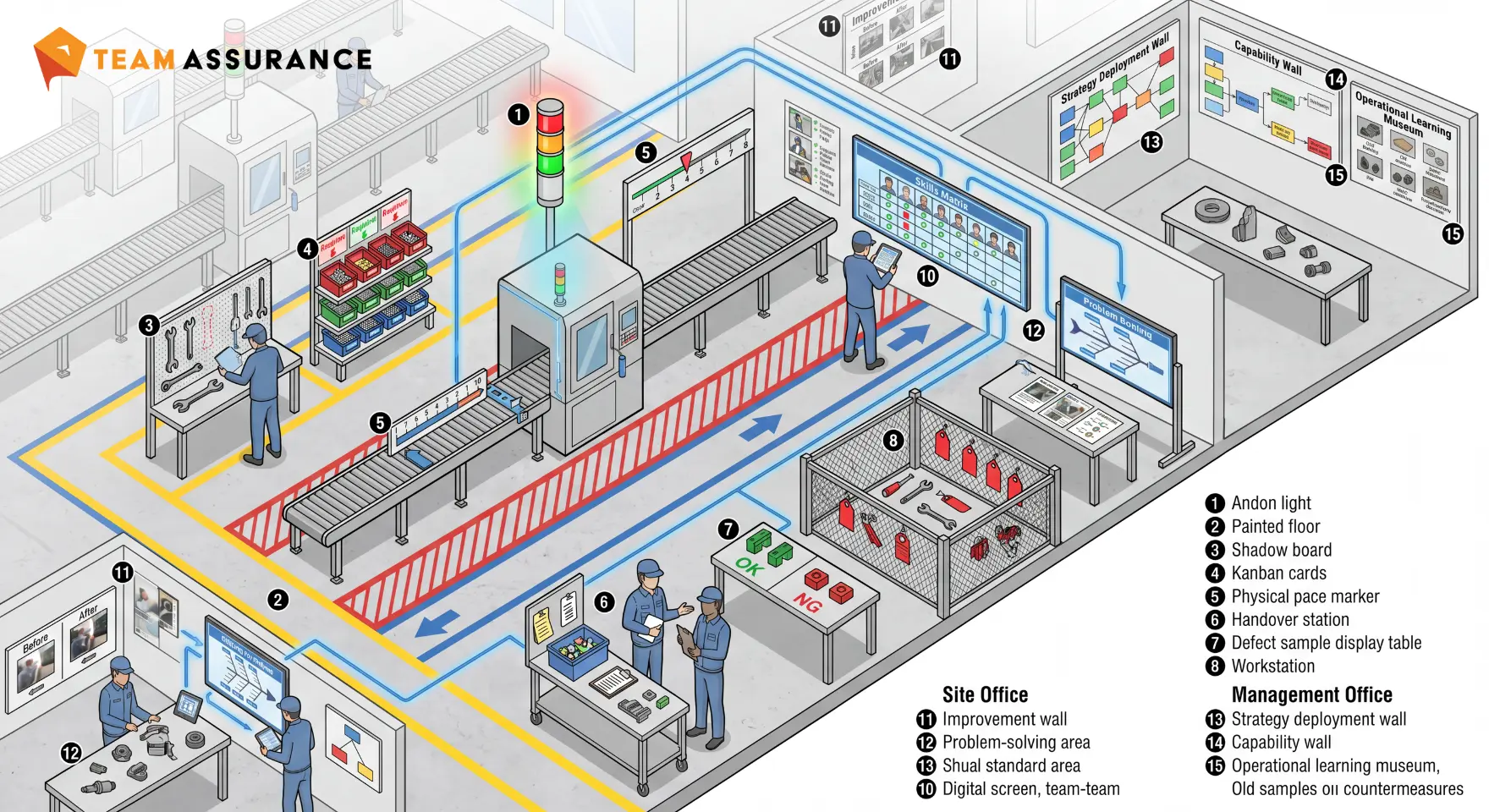
Visual management makes performance, problems and standards visible at the work. What it means in lean, why it matters and how to build it into daily management.
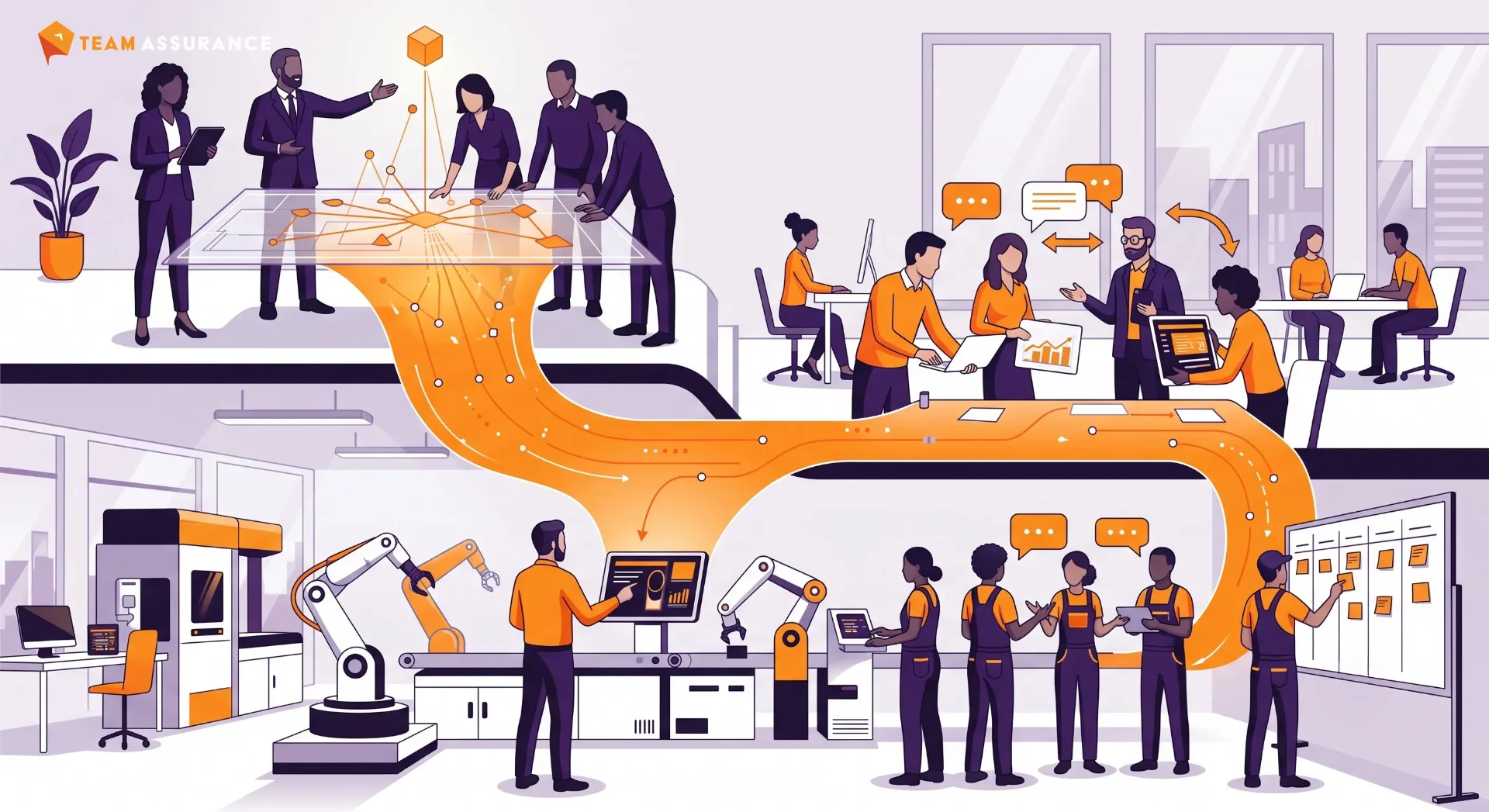
Most strategies fail because they never become part of how the organisation runs. How strategy deployment turns the plan into owned goals and daily work.
What happens after you sign: a week-by-week look at how TeamAssurance is implemented, building on existing ways of working and launching a real use case fast.
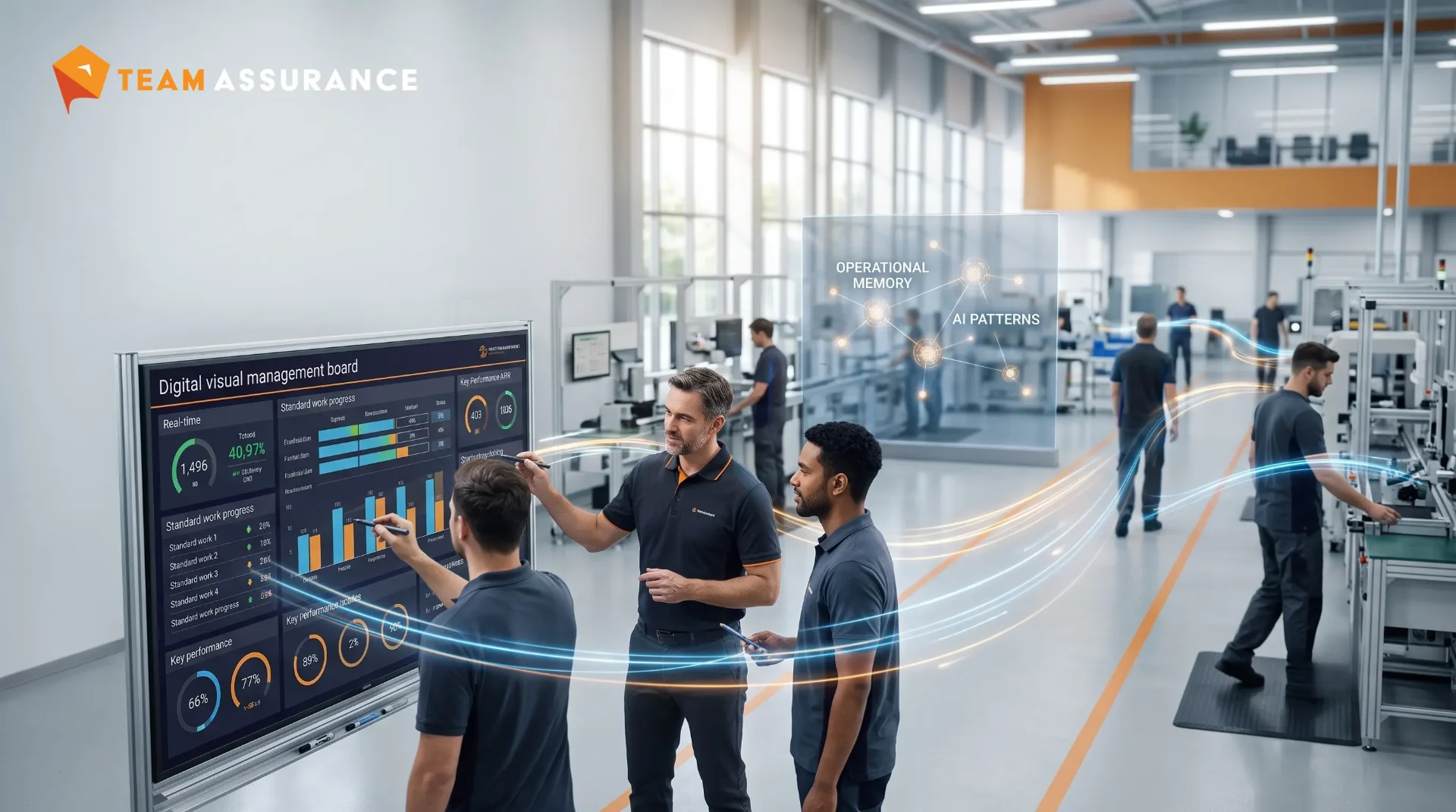
By year three the easy wins are gone. How organisations keep a lean transformation improving by making learning normal daily work rather than a programme.
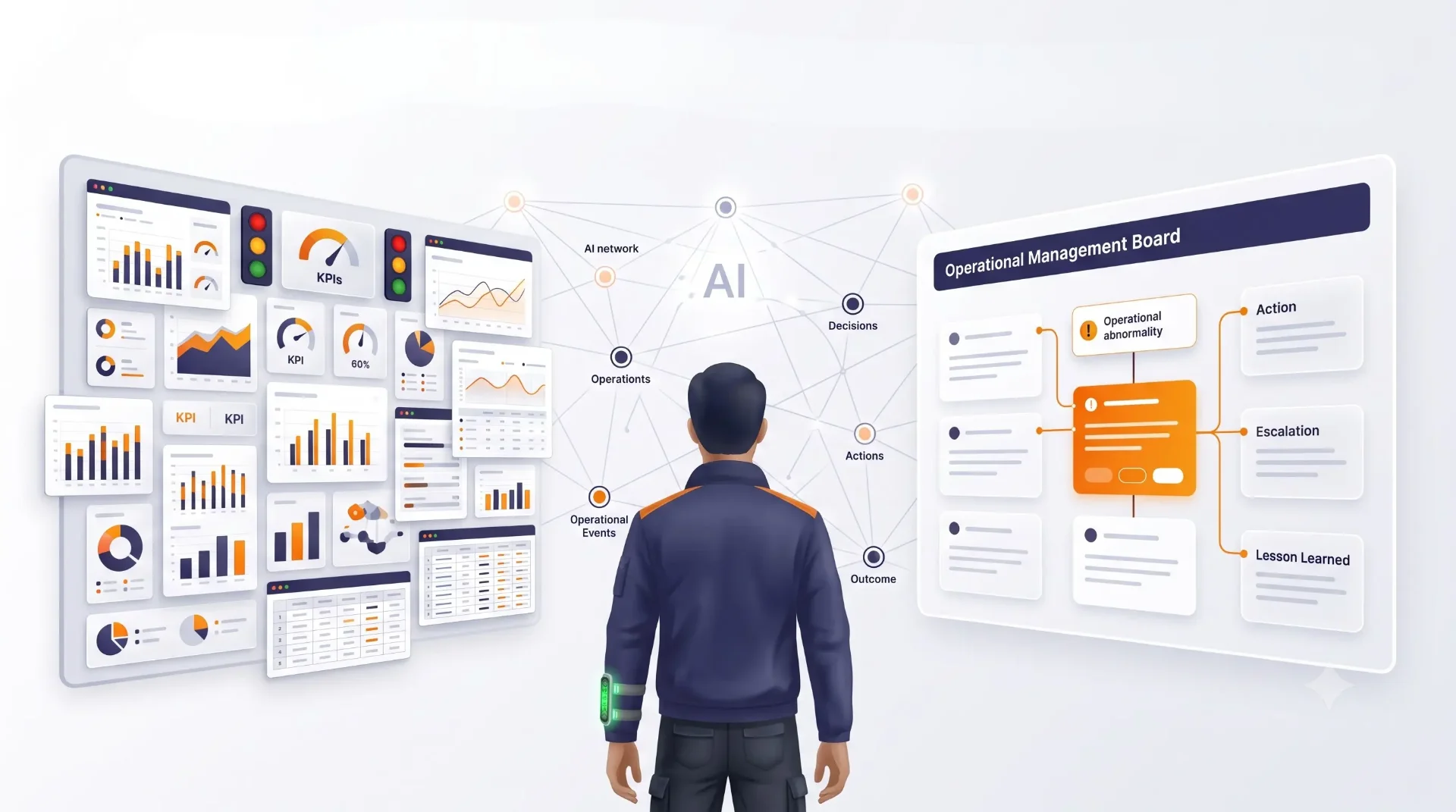
Visibility is not attention. Dashboards can show you a lot while helping you see very little. Here's how to make Daily Management about attention, not decoration.
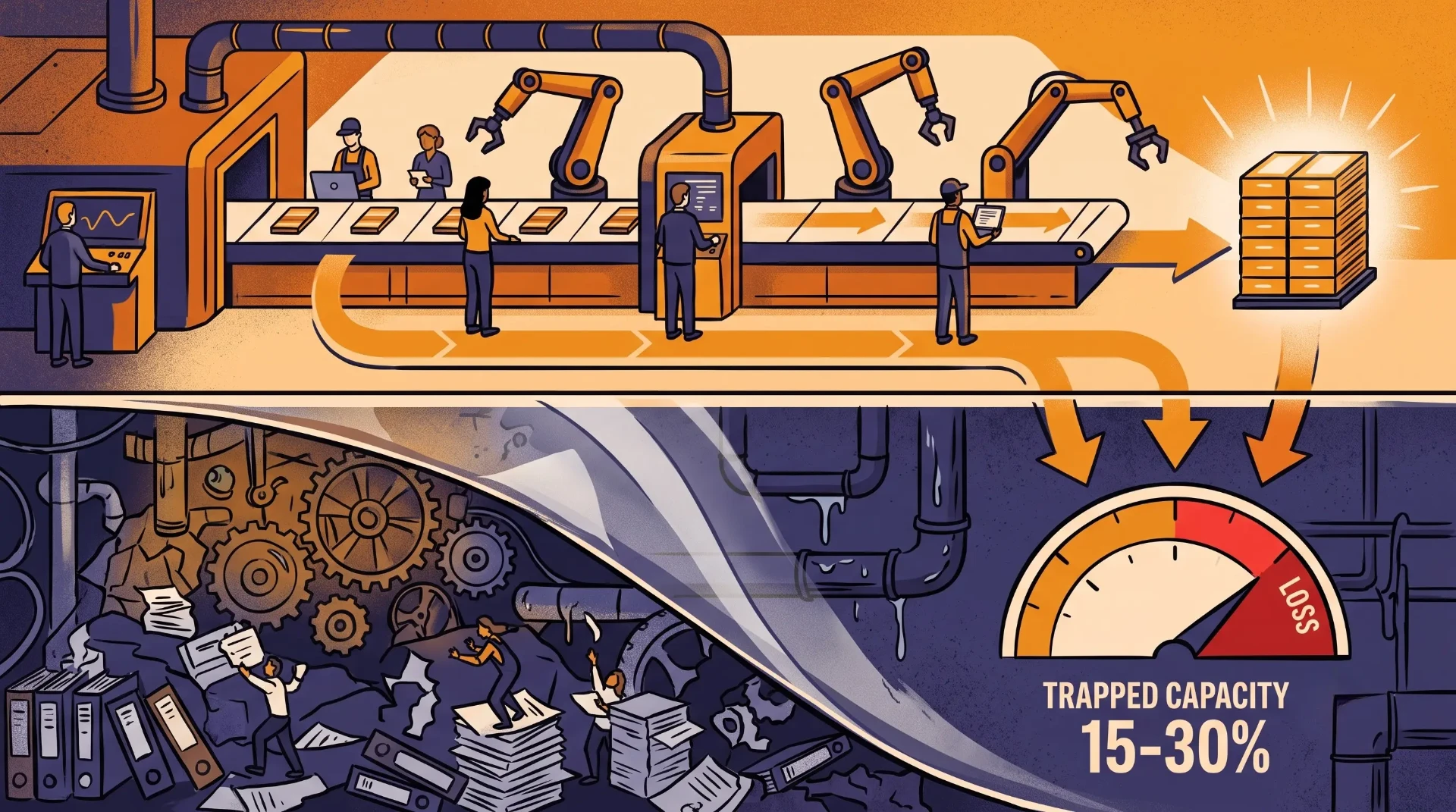
When the management system is weak the physical factory pays through rework, waiting and repeat problems. How capacity gets trapped, and how to free it.
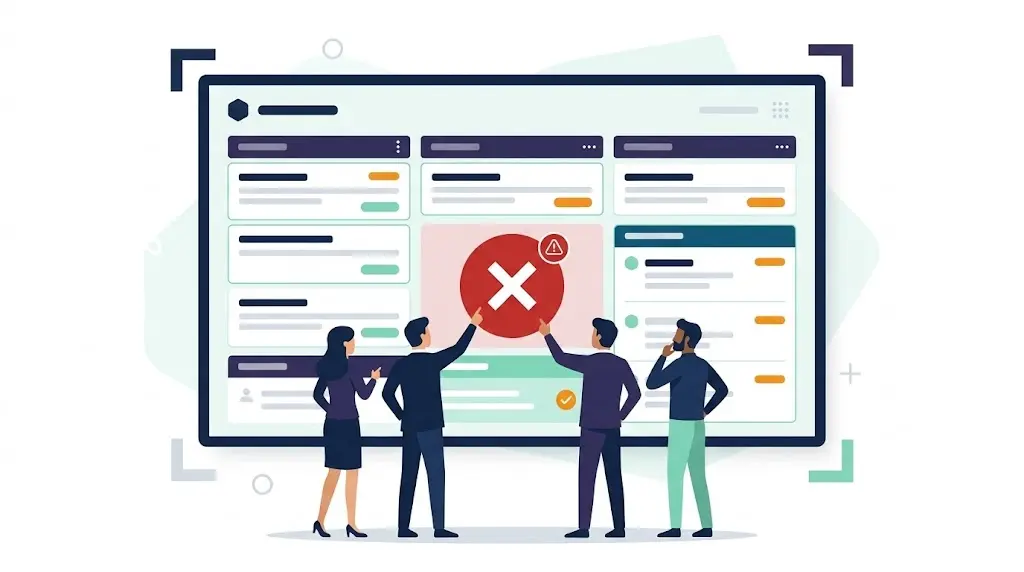
Many tier meeting systems look better than they perform. What good tier meetings look like: agendas, boards, cadence and the behaviours that produce real learning.
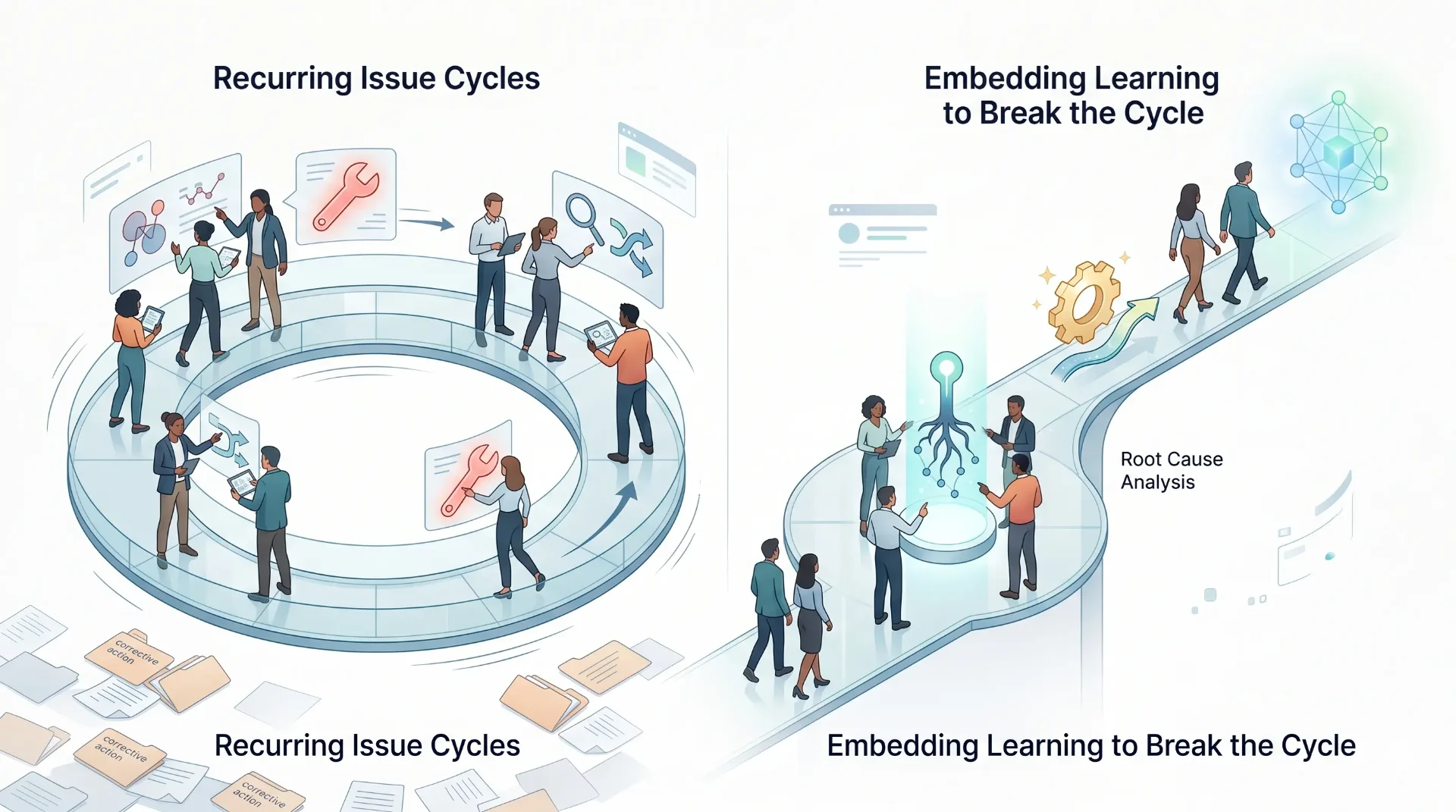
Solving the same problem repeatedly while calling it continuous improvement is expensive. Seven signs your problems are repeating, and what to do about each.
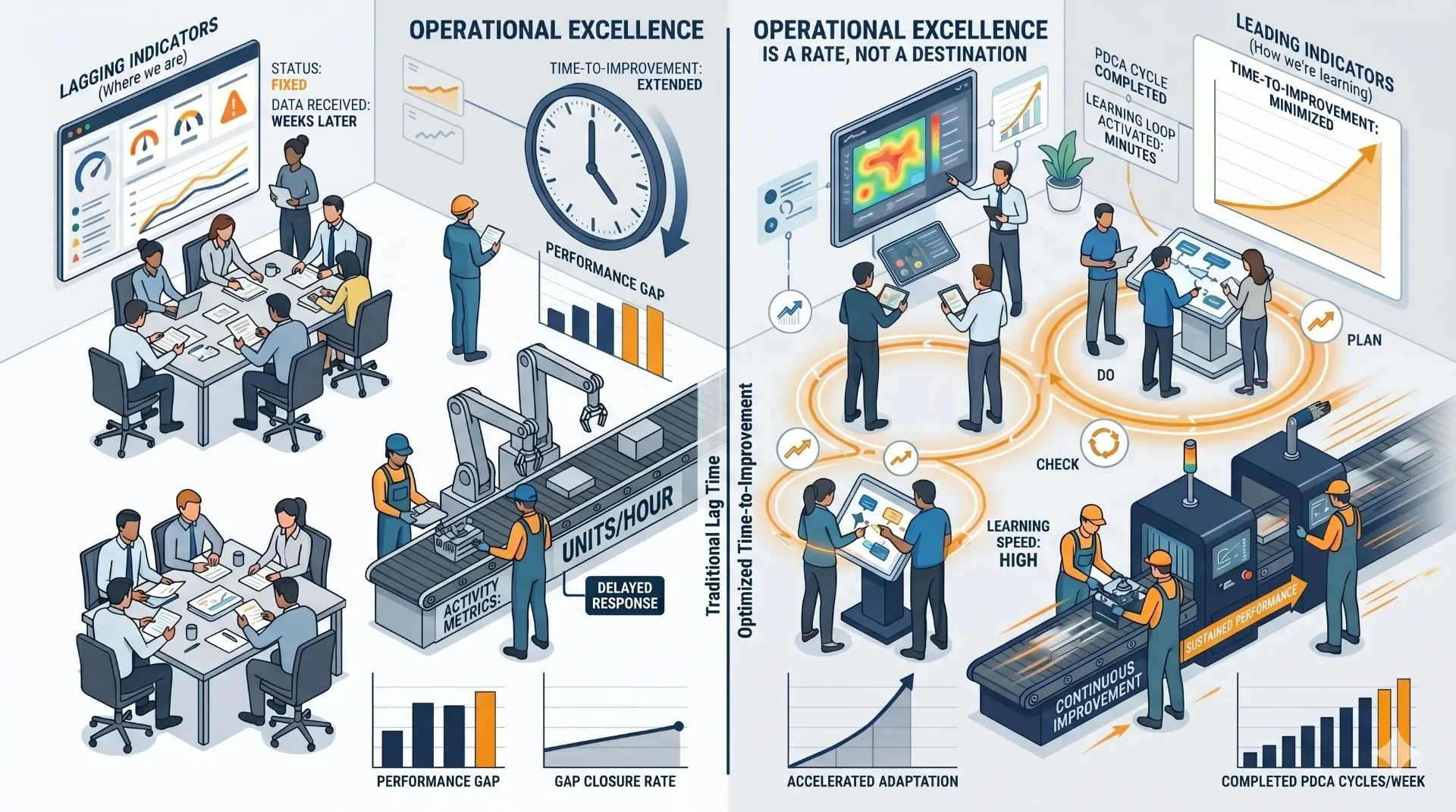
Most operations measure performance; few measure how fast they improve it. Time-to-improvement is the time from spotting an opportunity to a sustained result.
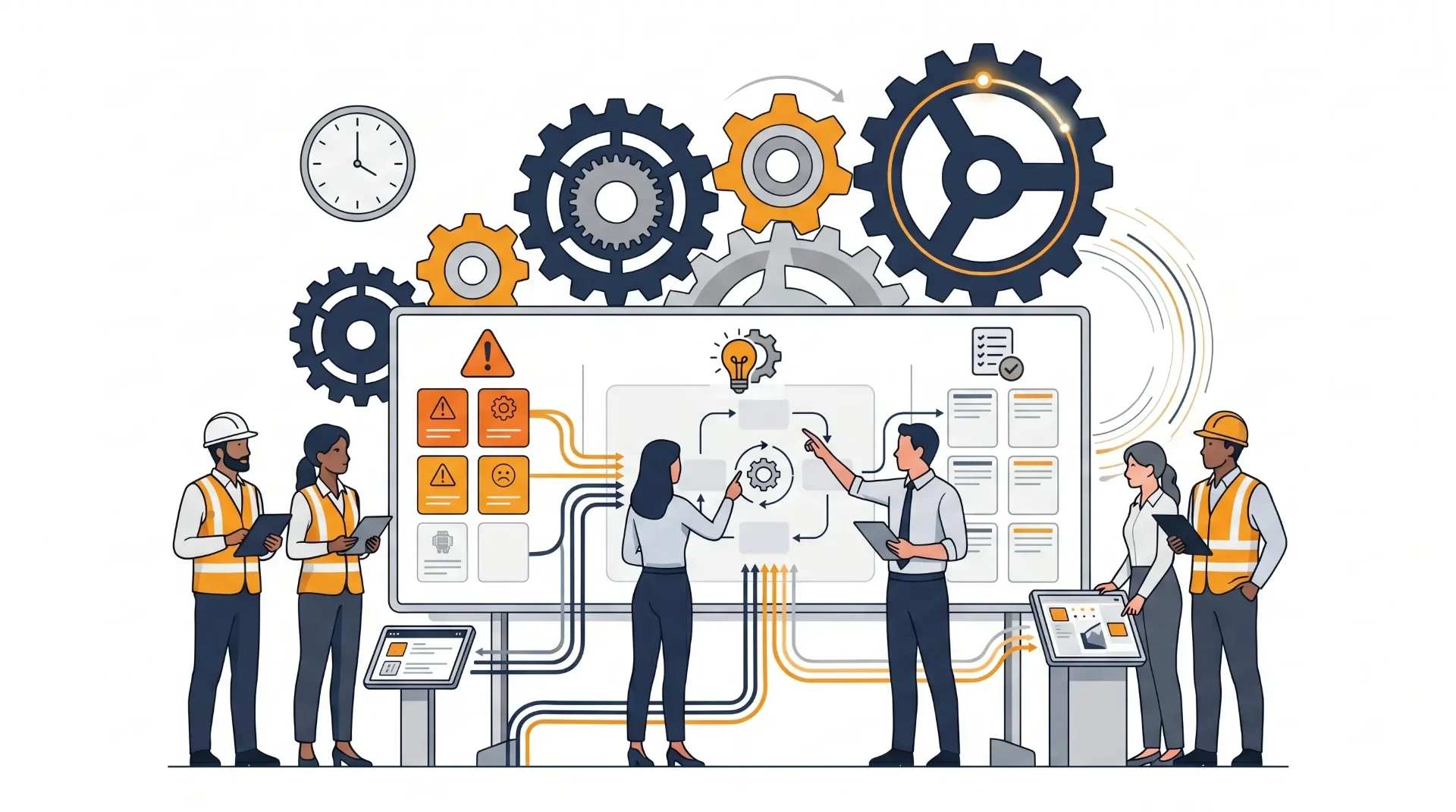
Boards exist, meetings happen, metrics are reported, yet nothing changes. The anatomy of a daily management system that actually works, element by element.
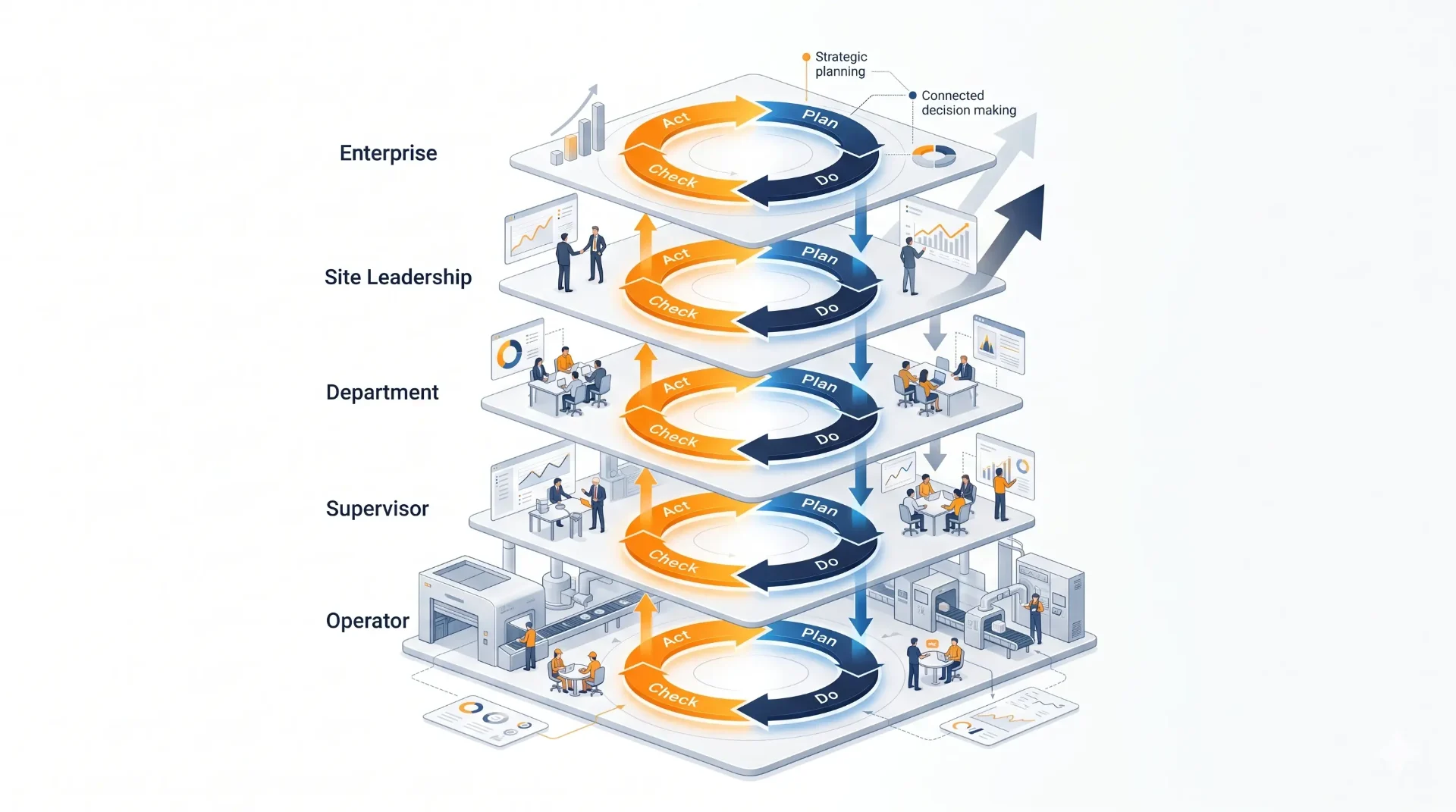
Most organisations run PDCA at every level, but the loops stay disconnected. How a connected PDCA stack turns improvement from an activity into a capability.
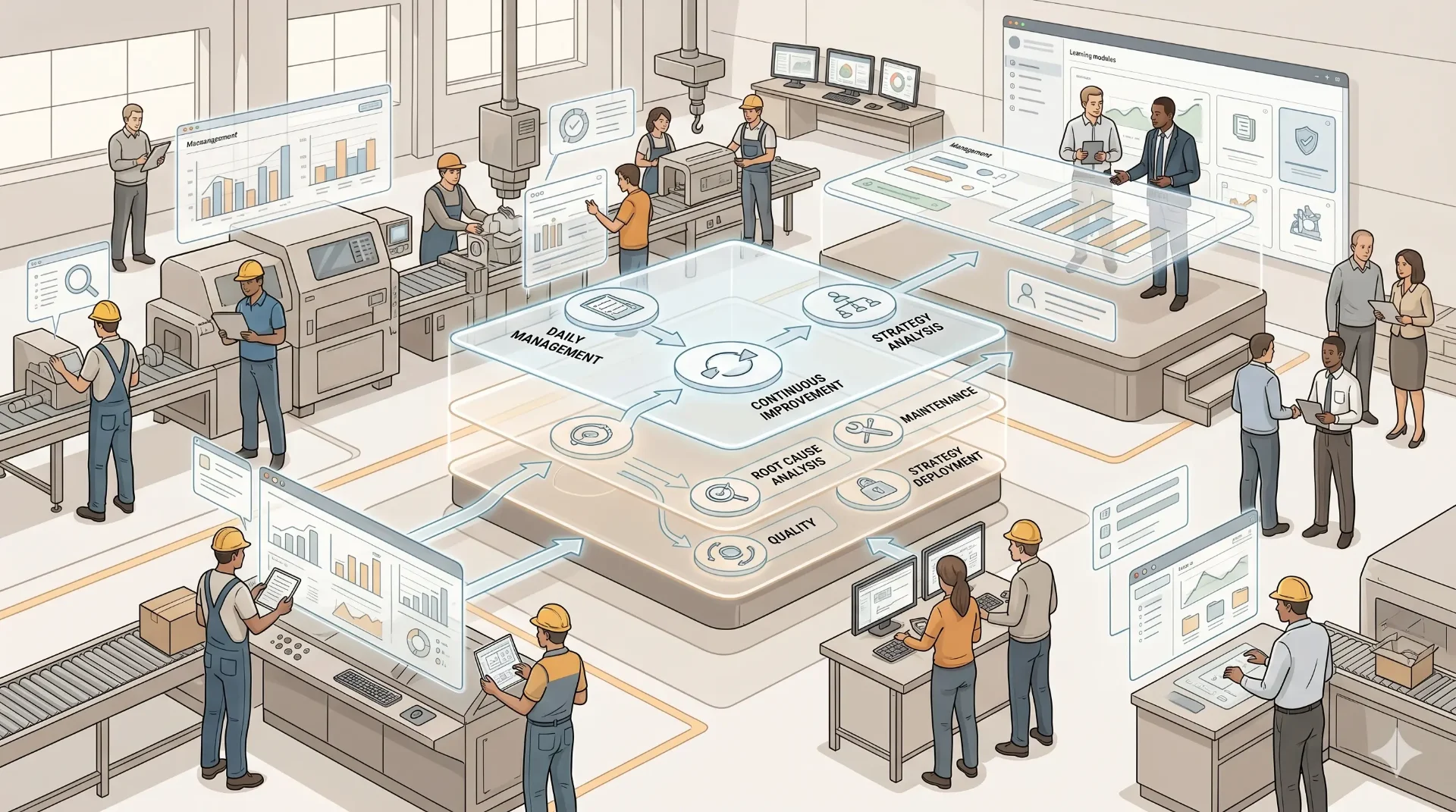
Most organisations don't have an information problem — they have a continuous learning problem. Here's what an Operational Learning Platform is and why it matters.
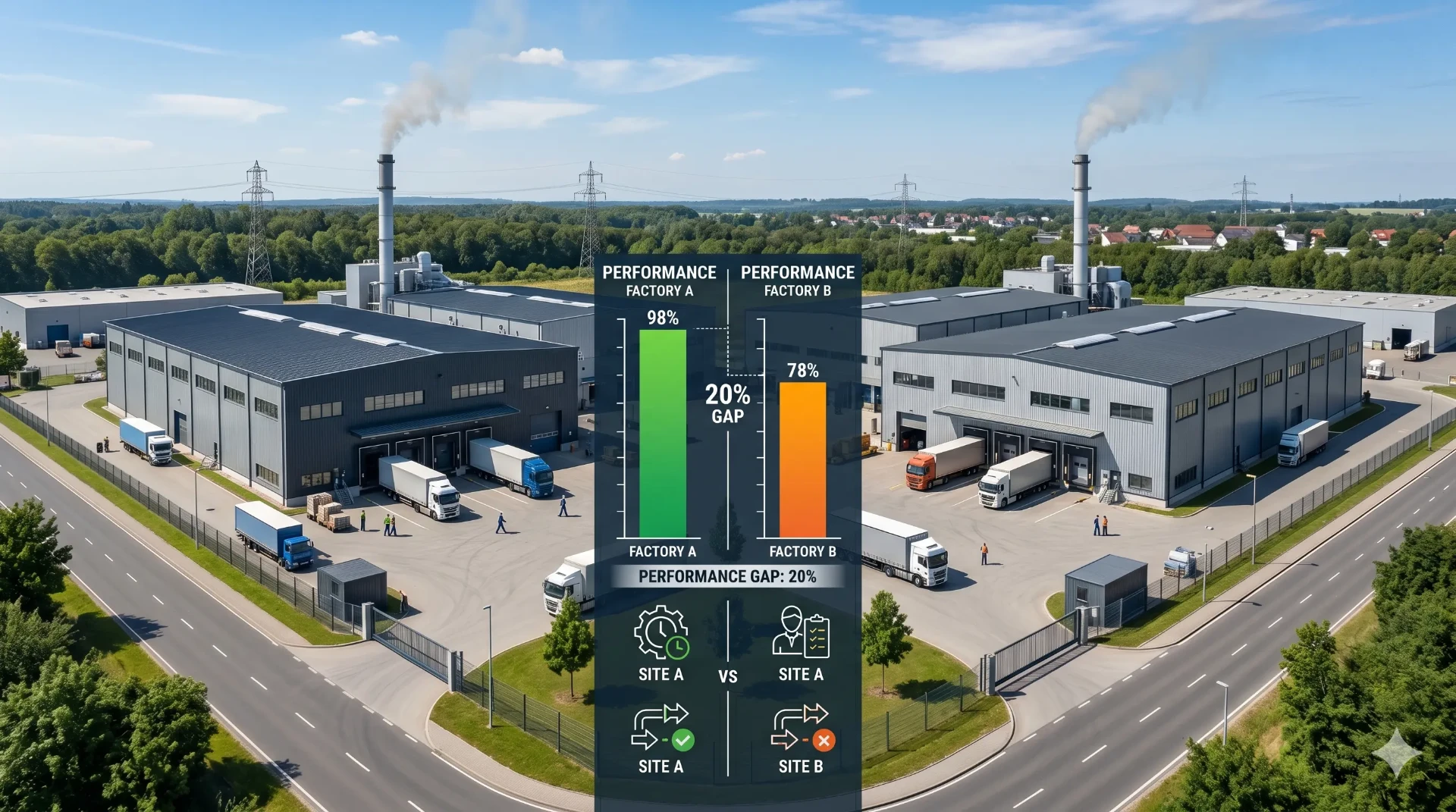
Two factories can look identical in assets and technology yet deliver very different levels of operational performance — here's what really explains the gap.
Impactful communication 'at scale' is critical to ensuring smooth workflows. It is achieved by addressing issues and opportunities as fast as they arise.
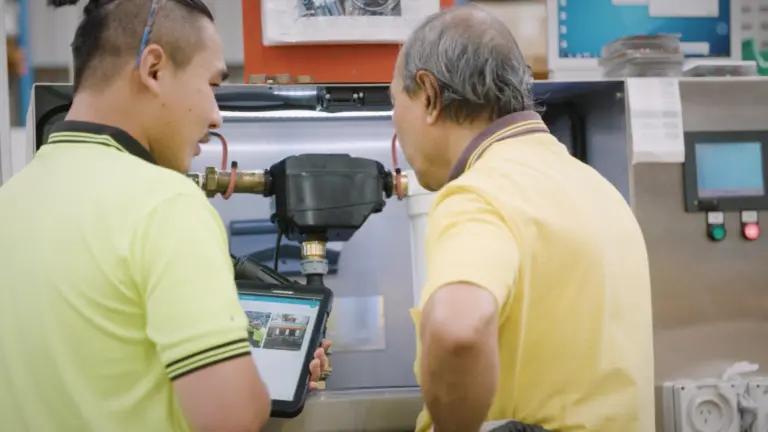
A case study of how digital lean tools embed cross-functional continuous improvement and collaboration across departments that used to work in silos.
In the pursuit of operational excellence, establishing and implementing consistent standard work at the frontline is crucial.

Total productive maintenance (TPM) defined: the eight pillars, OEE and the six big losses, TPM vs preventive maintenance, and how to digitise the routines.

For those committed to continuous improvement, particularly in HR and operations roles, developing a Lean skills management program should be a priority.

When it comes to operational efficiency and continuous improvement, 'Standard Work' is a fundamental principle.
Best practice for daily tier meetings fed by live machine data: which signals to show, how to run the meeting and how OEE and downtime become owned actions.
How a digital tier board improves Tier 2 meetings: escalations arrive with context, actions have owners and every tier works from one source of truth.
A Tier 1 meeting is the frontline team's 5–10 minute start-of-shift huddle. Who attends, what goes on the board and agenda, and how to start one well.
Takeaways from our webinar on embracing lean across all functions of an organisation for operational excellence.
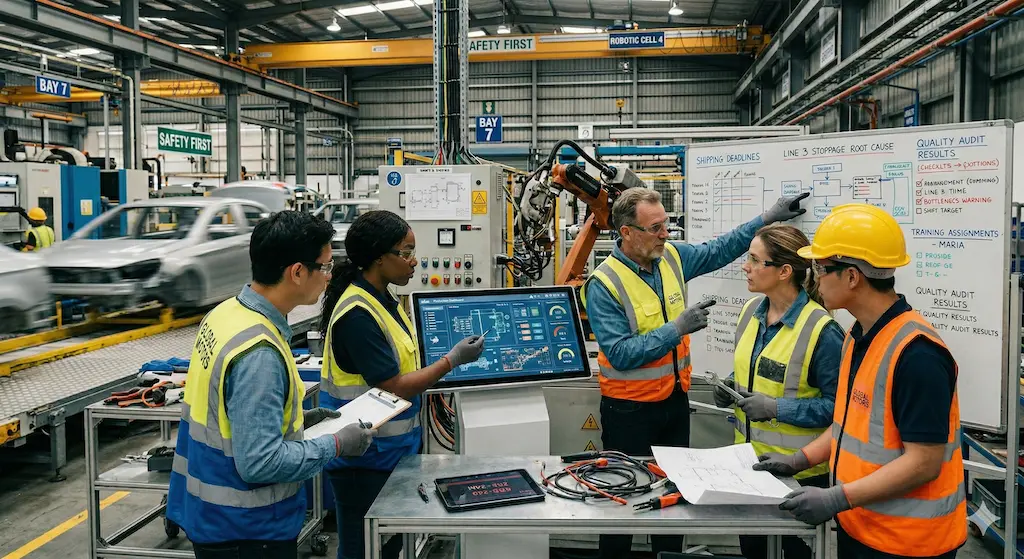
Lean has moved beyond its manufacturing origins. How lean principles apply in every business function, and what it takes to embrace them across the organisation.
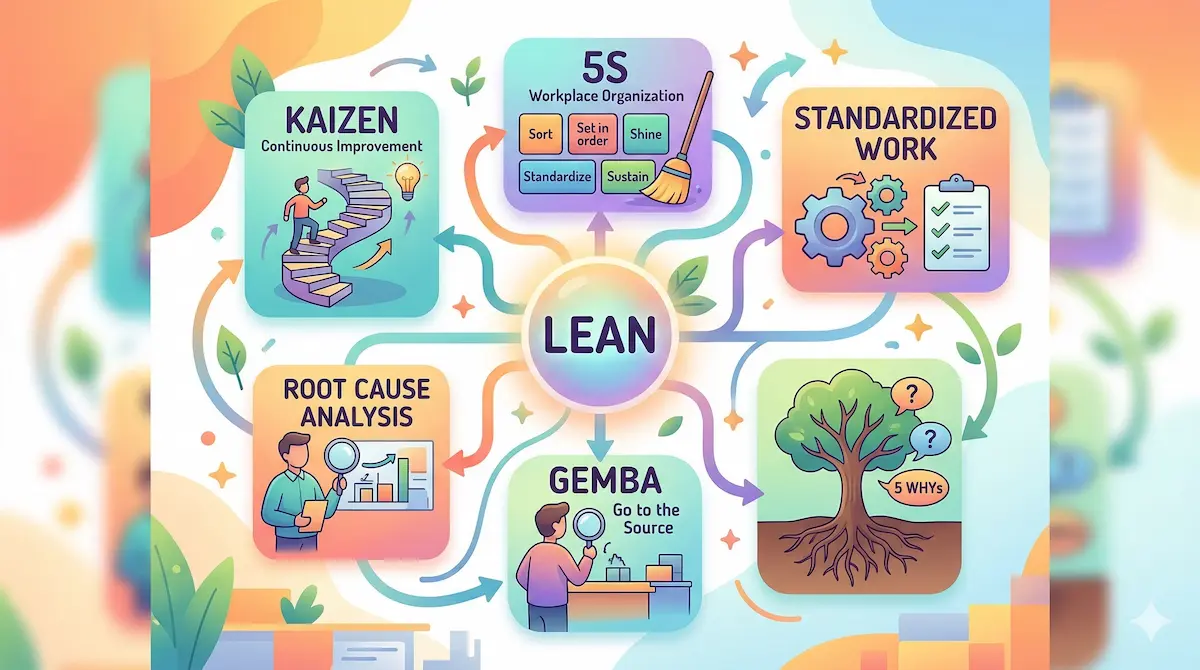
What digital lean means, and the practices that make lean work on connected tools: one standard, one board and action list per team, measured results.
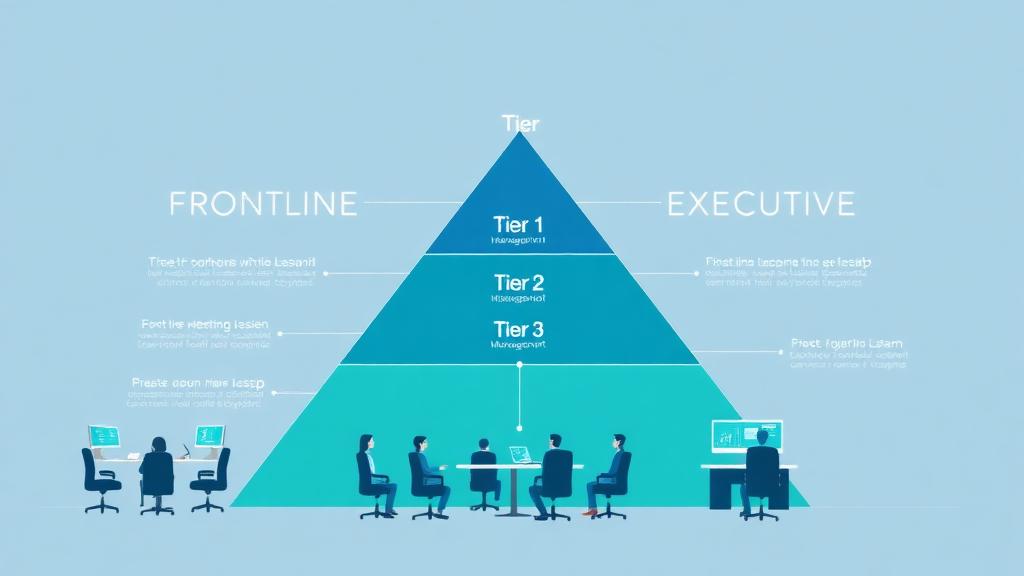
Summary of key points from our webinar on integrating tier 3 daily operations meetings seamlessly with Tier 1 and 2.
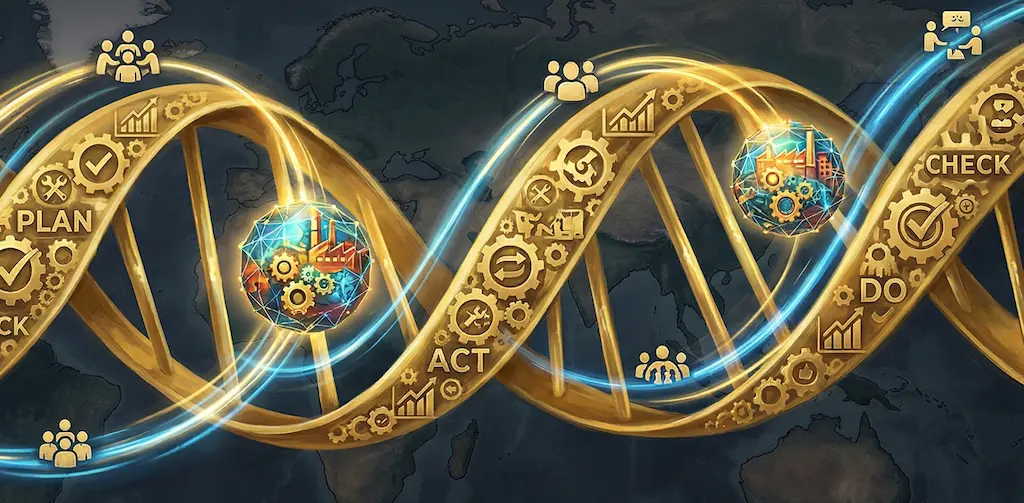
PDCA explained: plan-do-check-adjust, also written plan-do-check-act. What each step of the Deming wheel involves, with a worked example of the cycle.
Paul Dunlop delves into the power of daily habits for achieving personal and organisational objectives.

Following lean thinking takes discipline. The structures, routines and leadership behaviours that keep lean thinking alive for the long term.
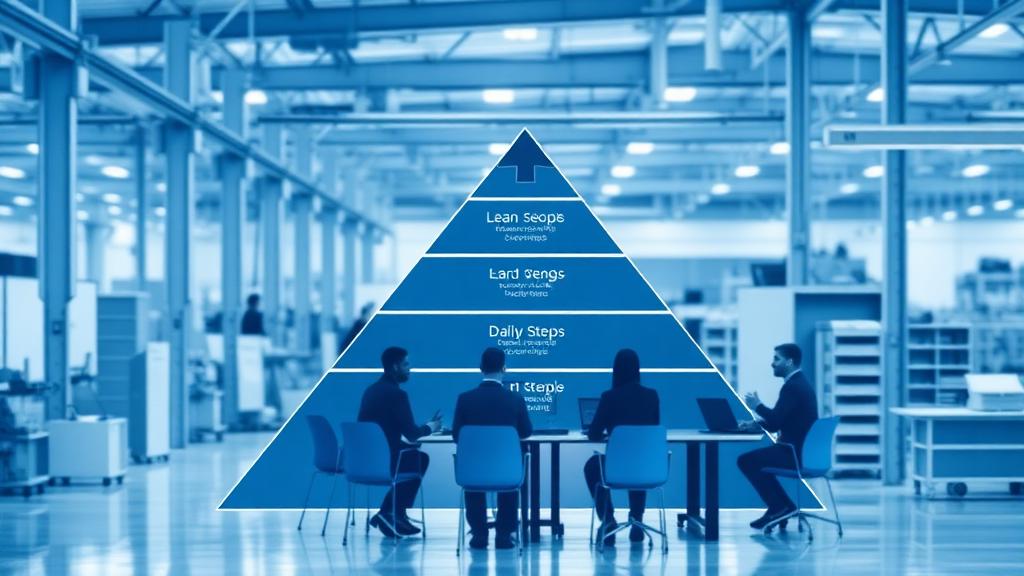
Practical guidance on implementing an effective tiered daily management system in your organization.

Tier meetings are short daily reviews held at every level, not just the frontline. See what Tier 1, 2, 3 and 4 cover and how to run them well.
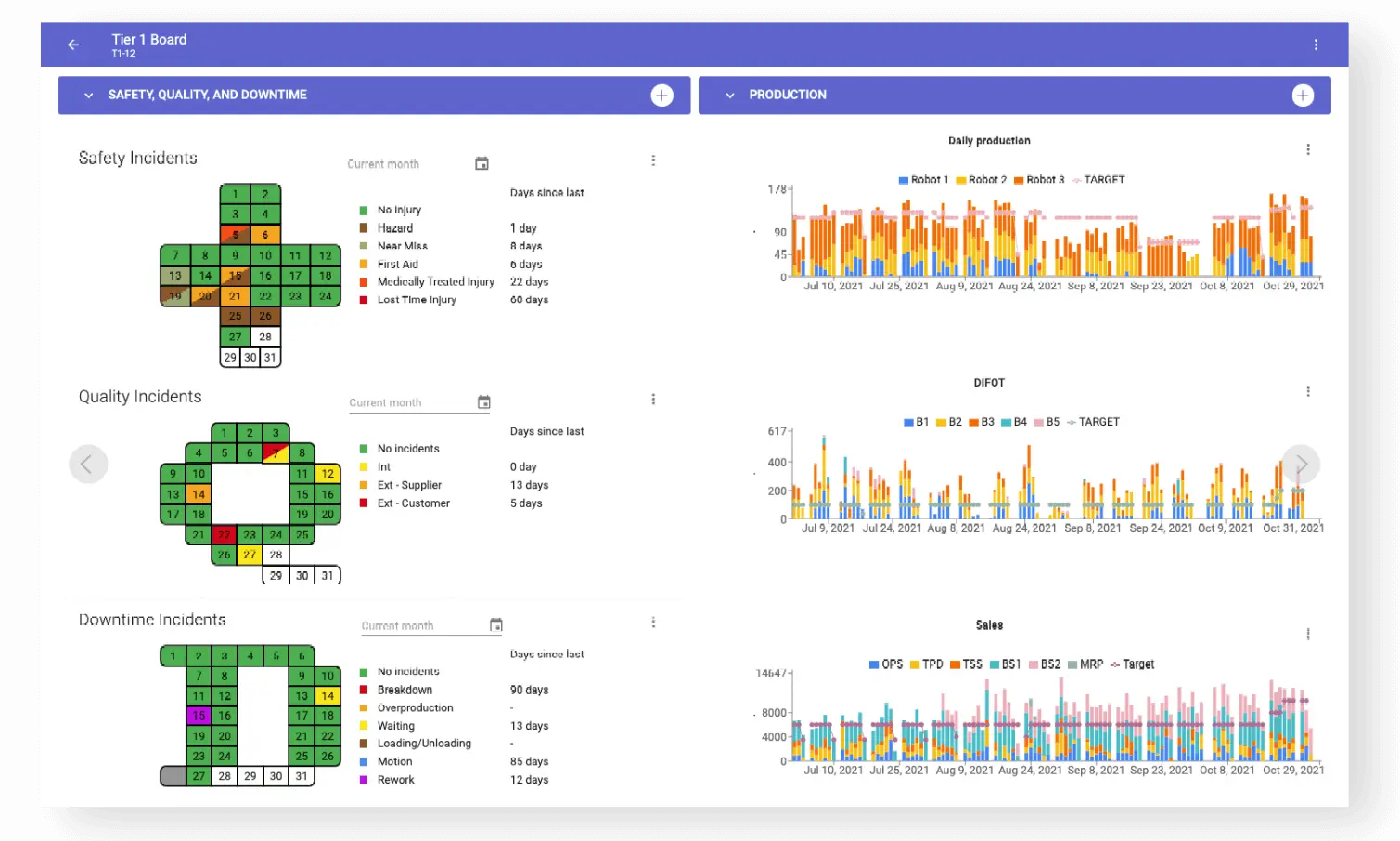
How often Tier 1, Tier 2 and Tier 3 meet when a plant runs several shifts, and how shift handover fits into the cadence.
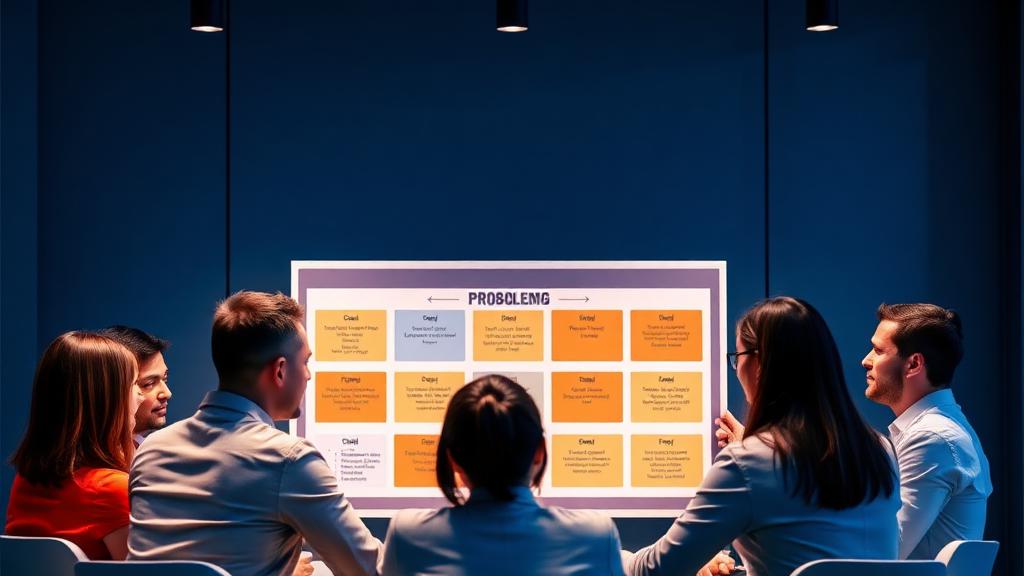
How to develop robust communication channels and problem-solving capabilities across your organization.
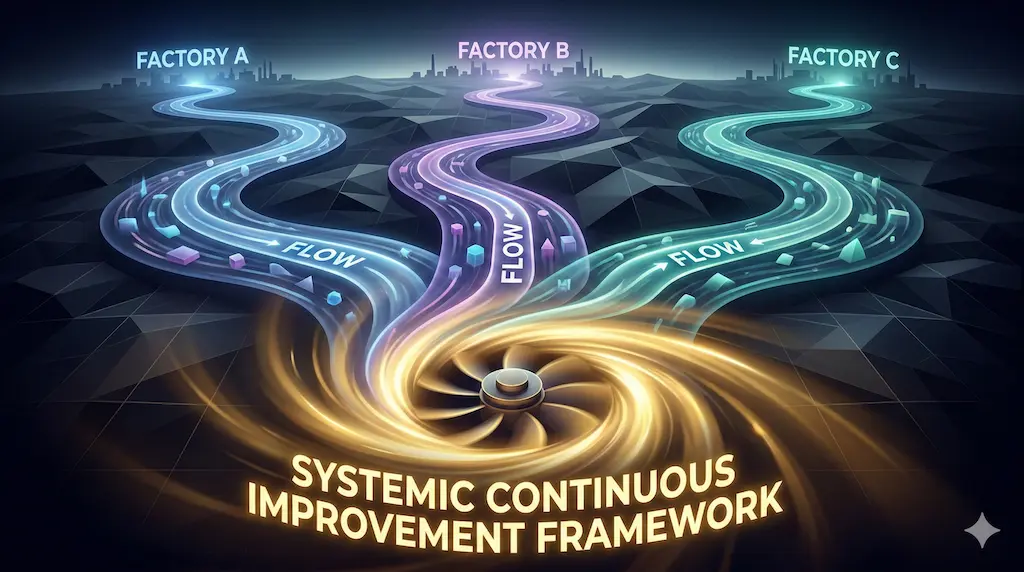
From a blank slate through to daily PDCA cycles, leaders have significant influence over the efficacy of continuous improvement frameworks.
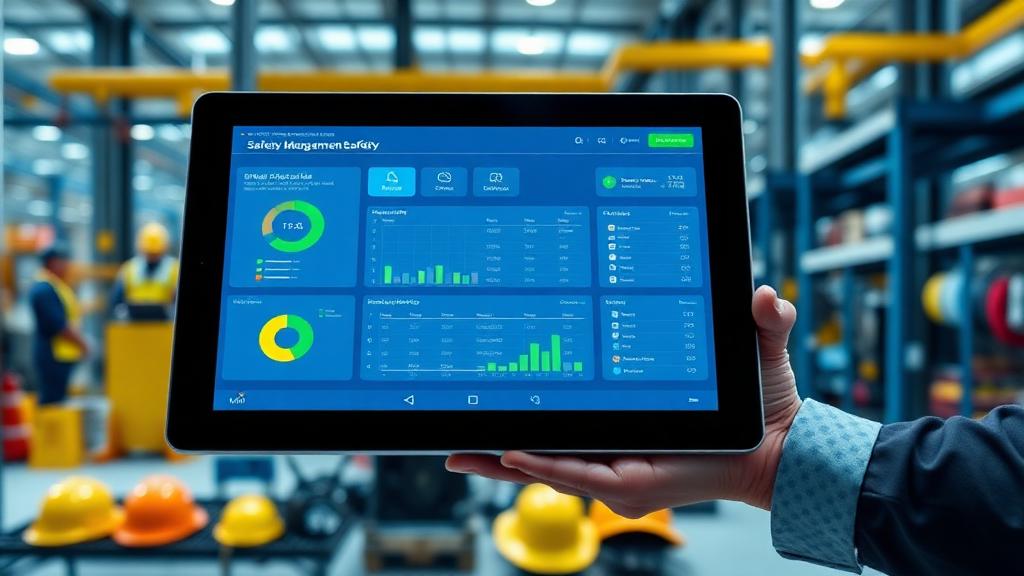
How a digital safety reporting platform strengthens your safety system: reporting from any device, actions with owners and safety visible every day.
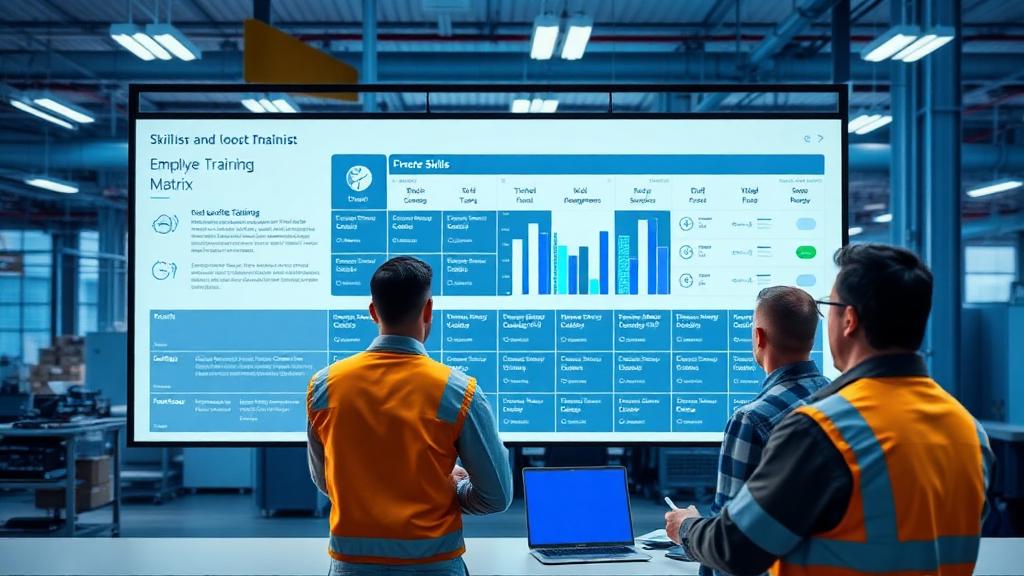
Moving beyond compliance to build a skills management approach that drives performance and development.

Practical lean tips to drive sustained operational excellence: daily management, standards, problem solving and the leadership routines that hold them together.

What it means to be a learning organisation, how to recognise whether you are one, and how to build a culture where learning is part of daily work.
Why steady, continuous improvement activity beats sporadic improvement events, and how to make improvement flow through daily management rather than drip.

What is hoshin kanri? A lean method that aligns every level behind 3–5 breakthrough goals. Learn the 7-step planning process, catchball and tier links.

How to find and develop the change agents who drive lean transformation, and how to recognise their work so the rest of the organisation follows.
How lean tools and lean principles connect: which tools serve which principles, and why tools used without the principles behind them tend to fade.
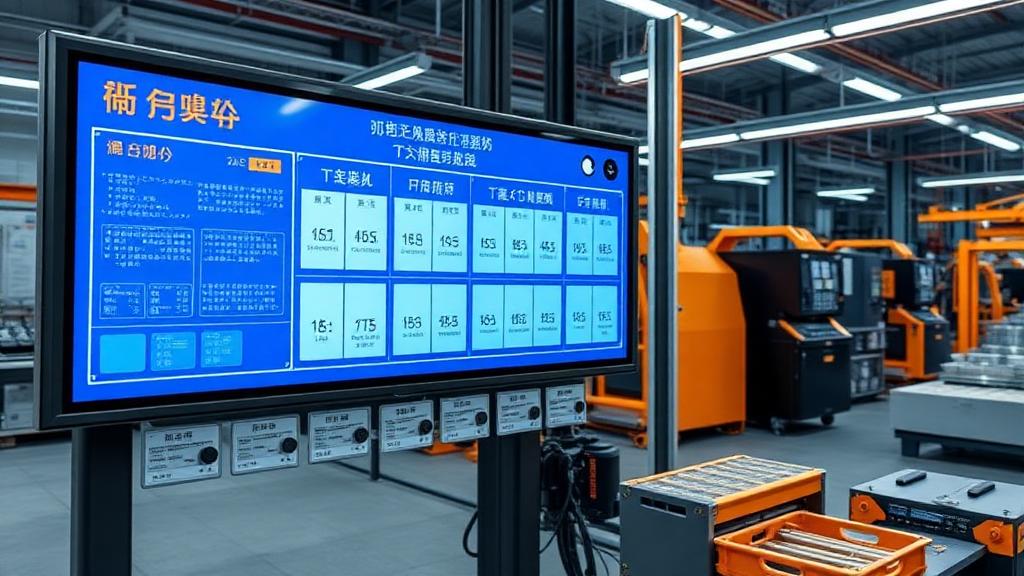
What a kamishibai board is, how its red/green T-card audits work, examples for safety, 5S and leader standard work, and how a hybrid digital board helps.

How to create a continuous improvement plan: identify areas for improvement, set KPIs, assign owners and dates, and review the plan through PDCA.

Why simplicity is essential to successful lean implementation and how to avoid overcomplicating your approach.

Daily huddle best practices: a fixed ten-minute agenda, a board that shows the facts, and problems assigned and escalated rather than solved in the meeting.

A continuous improvement process that endures: how to build a sustainable CI model that delivers results year after year rather than fading after the launch.

What a tiered management system is, what Tier 1, 2 and 3 meetings each cover, and how it fixes miscommunication, silos and misaligned strategy.

Daily management best practices for teams: a short daily routine, clear owners, linked tier meetings and visual boards that turn gaps into actions.

What a daily management system (DMS) is, the four elements of lean daily management (daily lean management), how the tiers connect and how to set one up.
Tiered meetings, daily huddles, and strategy execution are underpinned by great visual management. Maximise your potential with tiered management tools.

In this blog, we explore daily tiered meetings, focusing on the tier one meeting – the foundation of transforming your organisation's improvement efforts.

How to balance strong and fair leadership: be firm on standards, consistent with people, and keep the four elements of personal balance that make both possible.

Continuous improvement requires an environment free of fear & a no blame culture. Learn why we thrive when this occurs and how to get there.

Maximising employee potential is at the core of Lean yet often overlooked. We discuss how to get the most from this crucial resource.
What leader standard work is, how to identify it at each level of leadership, what the leader standard work document (template) contains and how to make it stick.

How an enterprise learning framework breaks down siloes, so lessons from improvement work reach every team, function and site, not just the one that found them.

We discuss why clarity should be baked into organisational culture for effective strategy execution and how to create such an environment in your business.

Strategy deployment (Hoshin Kanri) needs to be effectively communicated to the very frontline, who must be aligned and empowered to execute.

Achieve long term strategic planning goals through 'chunking' and a PDCA approach. We discuss why short term milestones are imperative.

Nemawashi means "going around the roots". Learn what it means in Japanese business, how Toyota uses it in lean, and how to practise it in 5 steps.

In this article we continue to explore what leaders should focus on when it comes to setting the vision within a lean organisation.

Learn how to drive successful Lean projects within your organisation with a clear vision from leaders. We discuss how to define and communicate the vision.
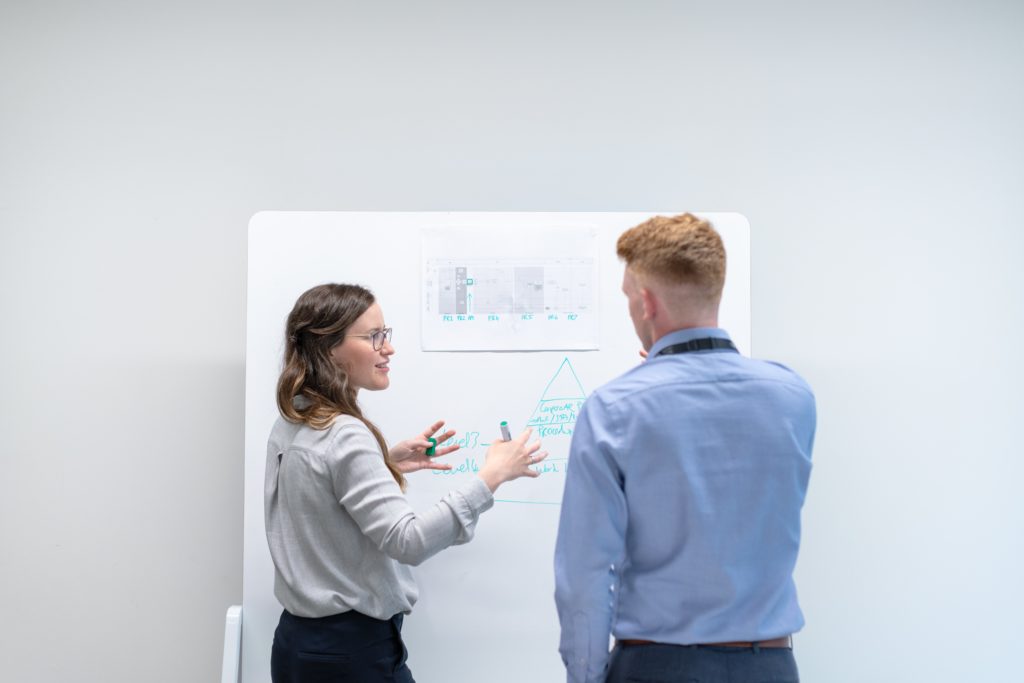
What defined expectations are, why they matter, how to set them for a team in six steps, and how a tier board shows whether it was a good day.

What is A3? The one-page lean A3 problem solving method explained: what A3 means, A3 thinking, the A3 method's 7 steps, a worked example, and A3 vs 8D and DMAIC.
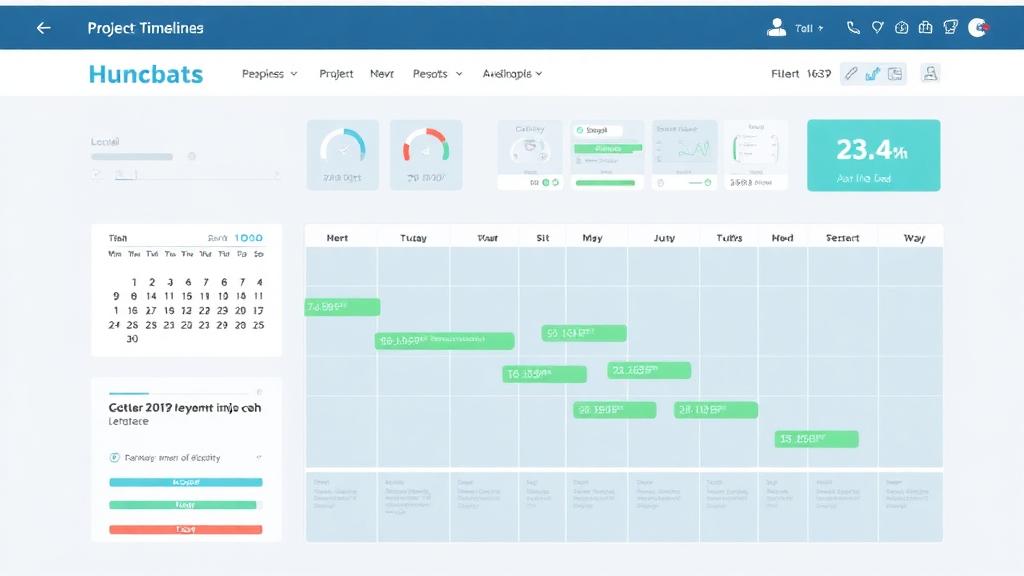
We explore the benefits of combining the A3 report template with a calendar view, providing teams with a timeline-based perspective on improvement activities.

Download a free printable A3 problem solving template with prompts for all 7 sections, see a filled-in example, and avoid the most common mistakes.
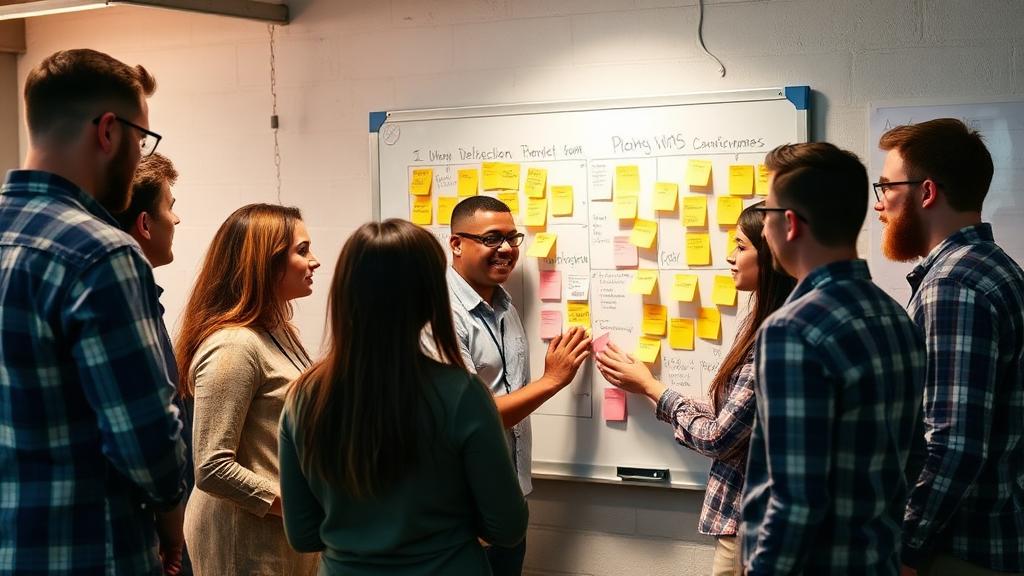
Building a culture of learning transforms your workforce into an army of problem solvers who drive continuous improvement at every level.
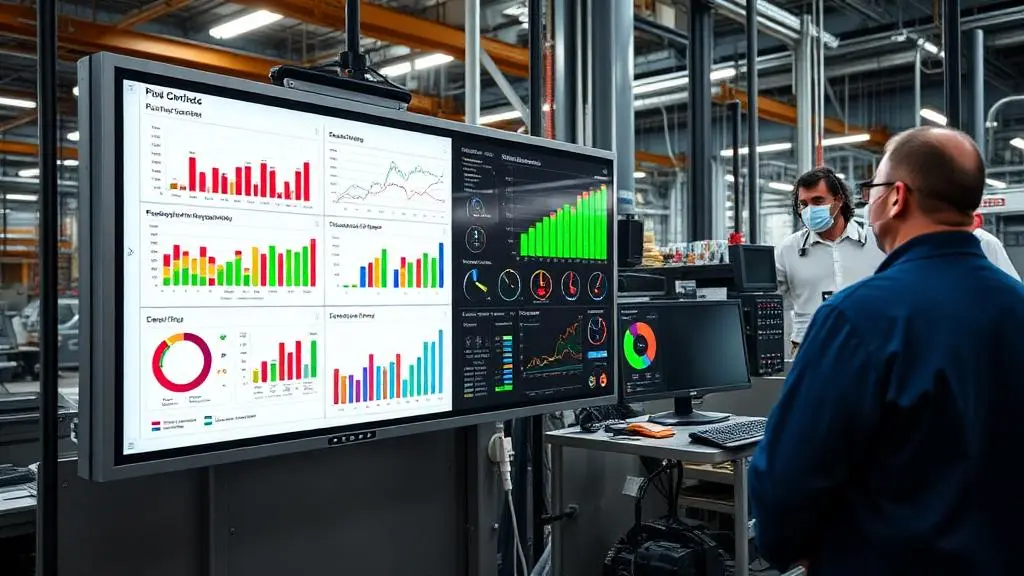
Visual management tools explained: tier and SQDC boards, andon, kanban, kamishibai and 5S controls, how to choose them and when to go digital.

Tier meetings are the first step to operational excellence: what a tiered meeting structure is, what the three tiers cover, how to start and the pitfalls to avoid.
Tier board examples for Tier 1, 2 and 3 meetings: what goes on each board, how tiered meetings and tier boards work together, and best practices for your huddles.
Looking to boost productivity? Here are the top 5 ways to do just that with the Lean tools on TeamAssurance.
Implementing standards doesn't mean eliminating ownership of tasks from staff. We discuss how a foundation of standards strengthens improvement efforts.
How to reward employees: what makes a reward work, the main types of employee rewards, ways to reward staff without money, and intrinsic vs extrinsic motivation.
The control chart (or process behaviour chart) is one of several visual tools typically applied to quality control analysis. We discuss how to use it.
When things go wrong, do your teams know how to respond? Learn how to implement a basic structure for teams to develop problem solving skills.
Imagine everyone has '...and continuous improvement specialist' in their job title. That's what you're aiming for with sustainable process improvement.
Our continuous improvement tips to sustain best practices. Enjoy the benefits of continuous improvement long past the initial deployment.
Heinrich's triangle (or the Accident triangle) needs an update to show a systems component. This transforms behavior based safety to a safety culture.
Employee engagement impacts on organizational outcomes. A principles-based approach to team culture improves productivity and the quality of outcomes.
What supplier development is, its benefits, how to run a supplier development program step by step, and when supplier development consultants help.
A frontline team member takes us through his continuous improvement projects. This organization has developed problem-solving capabilities in their people.
A safety case study for a manufacturer using a digital continuous improvement and operational excellence system resulting in a 20% reduction in injuries.
Ensure your daily tiered meetings are tight and focussed and make toolbox talks a breeze with these productivity tips in TeamAssurance.
TeamAssurance content caters for multiple languages. For frontline team members, overseas sites or suppliers - you can all 'read from the same page'.